The vaping industry is undergoing a rapid technological shift. Digital displays are now actively integrating into single-use devices across the market. What was once exclusive to premium, bulky mods is now a standard feature in modern disposables.
Many buyers naturally approach this trend with baseline skepticism. You might wonder if adding a screen is a functional necessity for predicting usage. Conversely, you may view it as an engineered gimmick designed purely to inflate retail prices. Blindly hitting a device often leads to frustrating dry hits. You also risk encountering unexpected dead batteries right when you need your device most.
This comprehensive guide will evaluate the actual cost-to-benefit ratio of these modern devices. We will explore the technical trade-offs required to fit screens into compact frames. Finally, we will clarify the critical decision criteria for transitioning to an upgraded model. Read on to discover if making the switch truly enhances your daily routine.
Key Takeaways
Core Utility: Screen technology resolves the two primary failure points of traditional disposables—unexpected battery death and dry/burnt hits from depleted e-liquid.
Cost vs. ROI: While initial purchase prices are marginally higher, the ability to utilize 100% of the e-liquid through active puff monitoring often yields a better long-term cost-per-puff.
The Trade-offs: Added components increase e-waste concerns and introduce minor risks of screen malfunction before the device is empty.
The Verdict: Heavy and moderate users benefit significantly from the data transparency; casual users may find traditional models more cost-effective.
Framing the Problem: The Limitations of "Blind" Vaping
Traditional single-use devices operate entirely in the dark. Manufacturers seal the e-liquid and battery inside an opaque plastic or metal shell. You take a draw and simply hope the device responds. This fundamental lack of transparency creates a significant predictability deficit. Users continually guess their remaining battery life. They also gamble on their current juice levels. You might leave your house assuming your device will last the evening. Suddenly, it flashes a dreaded blinking light and dies. This unpredictable cycle forces users to carry backup devices constantly.
Beyond battery anxiety, blind vaping introduces the notorious "burnt hit" risk. Coils heat liquid absorbed by internal cotton wicks. Without e-liquid visibility, you risk inhaling burnt cotton once the reservoir dries out. A dry wick burns instantly upon activation. You inhale harsh, unpleasant smoke instead of smooth vapor. It ruins the immediate experience. It also renders the remaining battery life completely useless.
We must define clear success criteria for any meaningful upgrade. A display vape must solve these specific frustrations. It needs to provide accurate, real-time data. This data must actively prevent dry hits and unexpected shutdowns. However, the technology cannot severely compromise the internal battery capacity. Furthermore, it should not push the retail price into an unreasonable premium tier. If a screen simply flashes pretty colors without offering accurate telemetry, it fails the basic utility test.
Solution Categories: What Qualifies as a "Smart Vape"?
The market currently offers several tiers of intelligent devices. Not all screens provide the same level of utility. We can group these innovations into three distinct categories. Understanding these distinctions helps you identify the right smart vape for your specific needs.
The first category includes basic indicator displays. These are usually simple LED screens. They display numerical percentages ranging from 0 to 100%. They strictly focus on two metrics: battery life and remaining e-liquid. They do not feature complex animations. Their simplicity keeps manufacturing costs low. They draw very little power from the internal battery. This ensures maximum energy goes toward heating the coil.
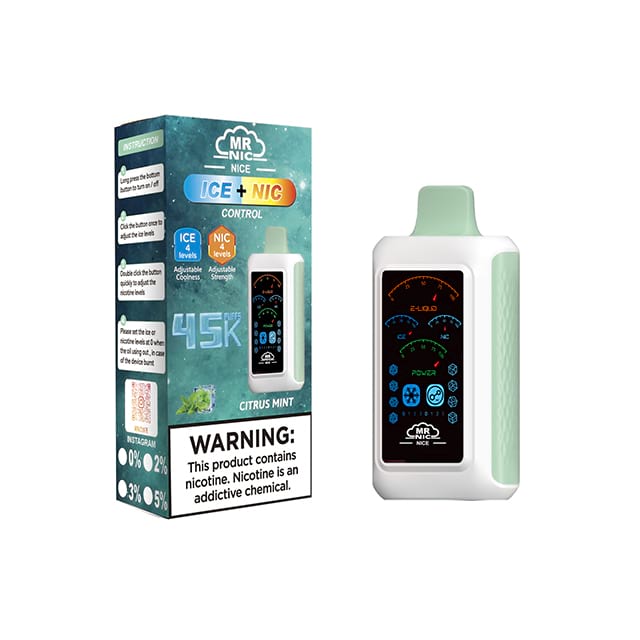
The second category encompasses advanced UI devices. A modern digital screen vape often features full-color animated displays. They offer dynamic wattage adjustments directly on the screen. You might see "Boost" or "Pulse" modes available. These modes increase power output for denser vapor production. They also feature precise tracking tools. They allow users to monitor their exact consumption habits over time.
The third crucial element is rechargeable architecture. Early disposables used large, single-use batteries. Today, the integration of Type-C charging on a rechargeable vape changes the equation entirely. Manufacturers can now install smaller, more efficient batteries. This frees up internal space for screen circuitry. Type-C charging makes digital screens viable without demanding massive, heavy internal batteries.
| | | Chart: Smart Device Categories Compared |
Device Category | Display Type | Primary Features | Power Draw |
Basic Indicator | Simple LED | 0-100% Battery & Juice levels | Extremely Low |
Advanced UI | OLED / LCD color | Animations, Boost modes, Tracking | Moderate |
Rechargeable Base | Mixed | Type-C port, compact battery cell | Variable |
Evaluation Dimensions: Features-to-Outcomes and Compliance
We must evaluate these devices on actual technical performance. A screen is only as good as the sensors behind it. E-liquid tracking accuracy stands out as the most critical evaluation dimension. You need to know how the device calculates remaining juice. Some premium models use genuine physical sensors. They measure the actual liquid volume inside the sponge. Others use a basic algorithmic countdown based on puff monitoring. An algorithm simply counts how many times you inhale. It assumes a standard liquid draw per puff. Algorithms often prove inaccurate if you take exceptionally long draws. True physical sensors offer absolute prevention of dry hits. Algorithmic tracking only provides an estimated guess.
Battery management and power draw require equal scrutiny. You might worry the screen will drain your battery prematurely. We call this phenomenon phantom drain. Evaluating if the screen causes phantom drain is essential. High-quality models utilize aggressive auto-shutoff features. The screen usually goes dark three seconds after you stop inhaling. This preserves maximum power for actual atomization.
The introduction of complex circuitry necessitates stricter safety protocols. Durability and safety compliance cannot be ignored. Adding screens requires strict adherence to international battery safety standards. Look for CE and RoHS certifications on the packaging. The PCB (Printed Circuit Board) complexity has increased significantly. Assessing if the device incorporates overcharge protection is vital. It must also feature robust short-circuit safeguards.
Best Practices for Evaluating Smart Devices:
Always verify the e-liquid tracking method (sensor vs. algorithm) before buying.
Ensure the screen auto-dims quickly to prevent unnecessary battery drain.
Check the bottom of the device for recognized safety certification marks.
Avoid devices that leave the screen on continuously while charging.
Implementation Realities and Adoption Risks
Adding digital components to disposable items creates distinct environmental and operational challenges. We must address these implementation realities transparently. The e-waste factor stands as the most prominent concern. Discarding lithium-ion batteries already poses environmental hazards. Coupling them with LCD or OLED screens amplifies this environmental impact significantly. Heavy metals and rare earth elements sit inside these tiny screens. Users must factor in local disposal realities. You should seek out specialized electronic recycling drop-offs instead of using standard household bins.
More technology naturally means more potential points of failure. Component failure rates increase when you add delicate screens to portable devices. You face the risk of the screen dying entirely. Sometimes the display glitches while the core device still operates perfectly. You might drop the device, cracking the internal display ribbon. The heater works, but you are back to blind vaping. This frustrates users who paid a premium for data transparency.
Finally, consumers must navigate immense market noise. We constantly see a battle between gimmick versus utility. You must learn to differentiate between useful models and wasteful ones. Good models offer vital telemetry regarding your battery and juice. Poor models arrive bloated with useless animations. Flashing rockets or sports cars on a screen drain power unnecessarily. They offer zero practical advantage.
Common Adoption Risks:
Accelerated E-Waste: Improper disposal of dual-tech components harms ecosystems.
Screen Malfunctions: Drops or moisture can break the screen while the coil remains active.
Distraction Features: Unnecessary graphics drain battery life intended for vapor production.
False Readings: Cheap algorithmic sensors may show 20% juice when the tank is actually dry.
Shortlisting Logic: Should You Make the Transition?
Deciding to upgrade requires assessing your personal habits. We can apply simple shortlisting logic to guide your purchase. High-frequency users stand to gain the most value. If you vape daily, the upgrade is highly recommended. The true ROI is realized by avoiding prematurely discarded devices. You will manage your charging cycles much more efficiently. You never throw away a device that still has 15% liquid hidden inside. The screen ensures you extract every drop you paid for. A dedicated Vape with Screen eliminates sudden interruptions during your day.
Conversely, casual or backup users might reconsider. Traditional models remain highly viable for infrequent use. The premium charged for a digital screen may not align with your usage patterns. If you only use a device on weekends, you rarely face sudden depletion anxiety. A simple, screenless device often suffices.
Your next-step actions should focus on practical utility. When evaluating different brands, prioritize clear numerical indicators. Skip the flashy graphics. Verify the internal battery capacity. You want at least 500mAh to support both the heating element and the display comfortably.
| | | Decision Matrix: Upgrading to a Screen Device |
User Profile | Primary Pain Point | Recommended Action | Reasoning |
High-Frequency Daily User | Unexpected battery death, burnt hits | Upgrade Strongly Recommended | Data tracking prevents dry hits and maximizes liquid extraction. |
Moderate User | Charging anxiety | Consider Upgrading | Provides peace of mind before leaving the house. |
Casual / Weekend User | Initial purchase cost | Stick to Traditional Models | Added cost outweighs the benefits for infrequent usage. |
Conclusion
The smart disposable market is highly viable for the right consumer. Integrating screens into these devices directly solves long-standing user frustrations. We no longer have to guess our liquid levels or fear sudden battery failure. By providing accurate telemetry, these devices ensure you get exactly what you pay for.
While not universally necessary for everyone, this technology fundamentally transitions the user experience. It shifts your habits from purely reactive to proactively managed. You stop waiting for the device to die unexpectedly. Instead, you efficiently manage your charging and replacement schedules based on clear data.
Actionable Next Steps:
Assess your daily usage frequency to determine if the premium price fits your habits.
Select models featuring numerical LED indicators rather than power-heavy animated screens.
Research local electronic recycling programs to dispose of smart devices responsibly.
Ensure your chosen device has a battery capacity of at least 500mAh to handle the extra circuitry.
FAQ
Q: Does the screen drain the battery on a disposable vape faster?
A: Modern LED and OLED screens draw minimal power. Manufacturers design them with aggressive auto-dimming features. The screen usually shuts off three seconds after you stop inhaling. Therefore, it does not noticeably reduce your overall vapor production or drain the battery faster.
Q: Can I turn the screen off on a smart vape to save battery?
A: Most devices lack a manual toggle switch to turn off the display completely. Instead, they rely on built-in auto-sleep functions. The system automatically manages power consumption, meaning manual intervention is unnecessary for saving battery life.
Q: Are the e-liquid percentages on a digital screen vape actually accurate?
A: Accuracy depends on the internal technology. Premium devices use physical liquid sensors for precise measurements. Cheaper models use algorithmic puff estimation, which guesses remaining liquid based on your draw count. Always look for brands utilizing true sensor technology for the highest accuracy.
Q: Is a display vape significantly more expensive?
A: Initially, they carried a steep premium. However, the price gap is shrinking rapidly due to standardized manufacturing. Today, you will typically pay only a slight margin above traditional models, making the upgrade highly accessible for most users.


