Vaping devices evolve rapidly. You buy a sleek new disposable device. You expect a full week of solid use. Two days later, you find it completely dead. The tank clearly still holds e-liquid. You can see it resting behind the plastic. The power is simply gone. This frustrating scenario highlights a major flaw in traditional single-use units. The internal cell dies before the reservoir empties. You end up wasting both money and flavor. Manufacturers realized they had to solve this e-liquid-to-battery mismatch. They needed to keep users satisfied. They responded by shifting from purely single-use hardware to integrated charging ports. This design shift changed the market completely. Today, we conduct a strict, evidence-based vape comparison. You will learn how these devices differ mechanically. We will explore the internal engineering of both formats. We will evaluate whether the slightly higher upfront price of a rechargeable model actually translates to better performance and longevity. You deserve to know exactly where your money goes.
Key Takeaways
Capacity Maximization: Rechargeable disposable vapes prioritize e-liquid capacity over battery size, unlocking significantly higher puff counts.
Power Consistency: Rechargeable units mitigate the "flavor drop-off" common in traditional disposables by allowing users to restore optimal voltage.
Cost-per-Puff: While traditional disposables have a lower entry price, rechargeable devices offer a provably lower long-term cost for daily users.
Use Case: Traditional units remain optimal for travel and immediate, short-term convenience; rechargeable units fit the heavy user transitioning from modular systems.
Understanding the Underlying Vape Technology
We must examine internal components to understand device differences. Traditional disposable architecture relies on a single, pre-charged lithium-ion cell. Factory engineers determine the physical footprint based entirely on this cell. You cannot alter or recharge it. E-liquid capacity is strictly capped by what this factory charge can vaporize. Once the charge dissipates, the device becomes useless. Manufacturers must guess the perfect ratio of liquid to battery life. They rarely get it exactly right.
The rechargeable paradigm shift changes this dynamic completely. A rechargeable vape utilizes a much smaller internal cell. These usually range between 400mAh and 600mAh. Manufacturers pair them with a standard Type-C charging port. This design choice frees up massive amounts of internal physical space. Brands can then insert massively larger e-liquid reservoirs. Some hold 10ml to over 20ml of liquid. They achieve this without creating a bulky or heavy device. You get maximum capacity in a pocket-friendly shell. You dictate the lifespan of the device.
However, every design choice involves a hardware trade-off. Adding charging circuits introduces new complexity. This complexity carries marginal failure risks. Closed-loop traditional units are extremely simple. They rarely suffer from circuit failures. They just run out of power. Rechargeable models require internal regulators to manage incoming currents. If a wire detaches or a port breaks, the device fails prematurely. You must handle them slightly more carefully than their throwaway counterparts. Still, advancements in vape technology make these failures increasingly rare. Engineers constantly improve circuit durability.
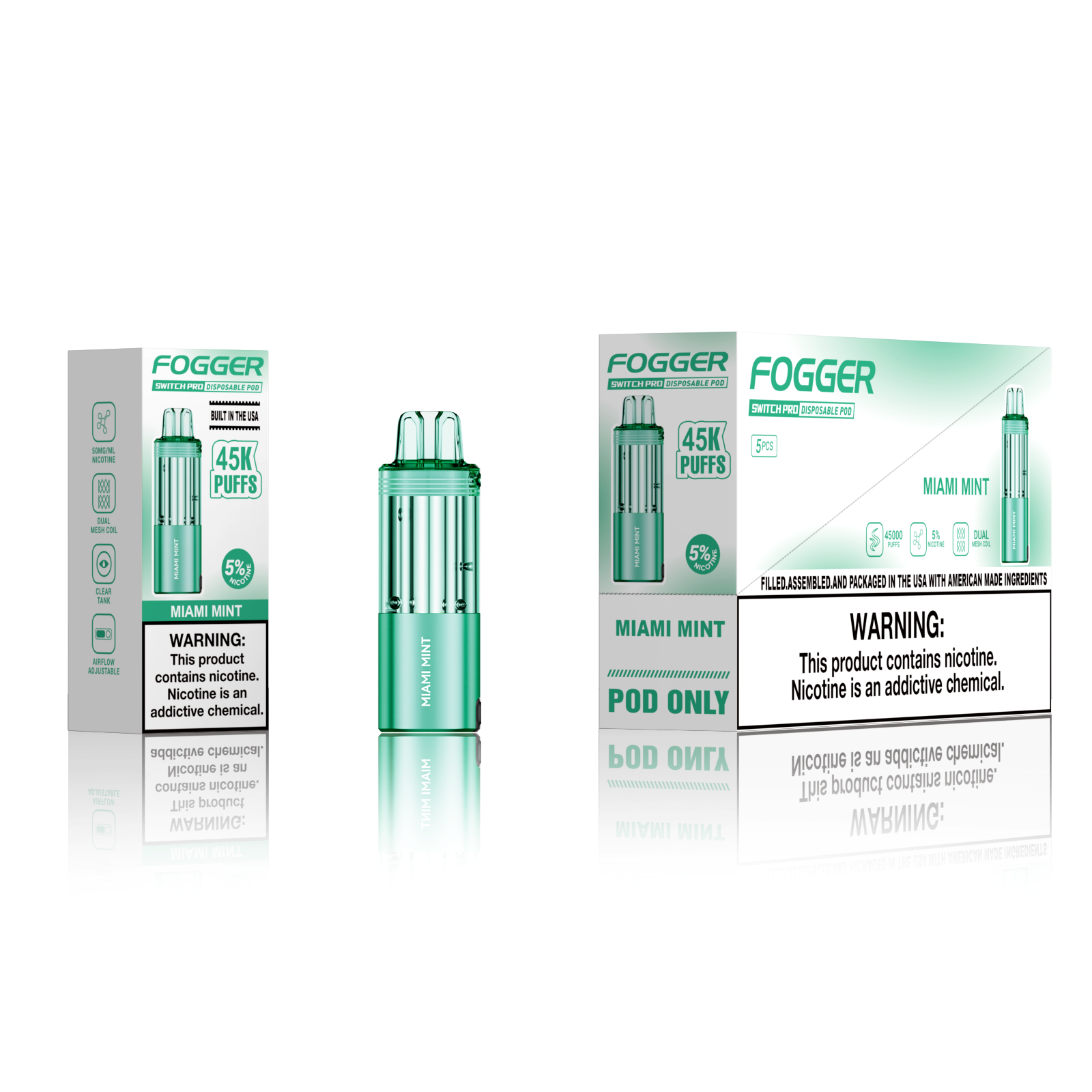
Marketing claims often confuse buyers. You frequently see traditional disposables advertising 1,500 to 2,000 puffs. They rarely reach these numbers in real-world conditions. Voltage drop and battery degradation restrict their actual output. A battery naturally loses voltage as it drains. The coil receives less power over time. Eventually, it stops producing vapor completely. It leaves perfectly good e-liquid behind. You feel cheated by the marketing numbers.
Conversely, a high puff vape reliably achieves 5,000 to 10,000+ puffs. You can execute multiple power cycles. You simply plug it in when vapor production drops. This allows you to drain the reservoir completely. You get exactly what you pay for. The device extracts every single drop of flavor.
Vapor production stability also differs drastically between the two formats. We can map this difference clearly using a simple performance matrix.
Life Cycle Stage | Traditional Disposable Vapor Output | Rechargeable Disposable Vapor Output |
First 20% | Maximum flavor, high heat, dense clouds | Maximum flavor, high heat, dense clouds |
Middle 50% | Noticeable drop in warmth and density | Consistent density (post-recharge) |
Final 20% | Weak vapor, muted flavor, highly unsatisfying hits | Restored to 100% fidelity after charging |
Traditional output drops linearly as the power drains. You experience weak vapor and muted flavor during its final stages. A rechargeable unit avoids this issue entirely. Restoring the internal cell to 100% ensures consistent wattage reaches the coil. You maintain true flavor fidelity from the first puff to the very last drop.
Economic Evaluation: Upfront Price vs. Long-Term Value
Evaluating upfront price against long-term value reveals clear economic trends. Traditional models definitely win on immediate point-of-sale pricing. They appeal heavily to casual users or trial consumers. You might spend $8 to $10 for a single unit. It seems remarkably cheap initially. You grab one at a convenience store without thinking.
However, the cost-per-puff matrix tells a different story entirely. We calculate the total volume of e-liquid yielded per dollar spent. Let us look at a practical example. You buy a $20 Rechargeable Disposable Vape yielding 15ml of liquid. Alternatively, you buy traditional devices yielding 4ml each for $10. You need three traditional devices to match the rechargeable one. You spend $30 on traditional units to get 12ml. You spend $20 on a rechargeable unit to get 15ml. The rechargeable model clearly outlasts the traditional ones while costing less overall. Daily users save substantial money by making this switch. They stop paying for redundant batteries and excess packaging.
Waste reduction is another critical factor. Discarding electronics creates a massive environmental footprint. Throwing away fewer lithium-ion cells per week matters deeply. A single high-capacity device lasts a week or more. Single-use devices might only last two days. You reduce your electronic waste footprint significantly by choosing models you can recharge. You actively contribute to less hazardous landfill accumulation.
Reliability and Common Usage Risks
Rechargeable formats offer massive benefits. Still, you must understand common usage risks. The "burnt hit" risk is a major complaint. You can occasionally over-vape these devices. This happens if you charge a unit lacking e-liquid. The coil heats up dry cotton. You immediately inhale a harsh, burnt taste. You must monitor flavor changes carefully to avoid this. Once it tastes slightly dry, throw it away. Do not try to force another charge cycle.
Leakage realities also demand strict attention. Larger reservoirs require better wicking technology. Cheap models sometimes fail in this crucial area. Liquid can seep through the airflow vents. You should never leave them in hot environments. A hot car thins the e-liquid drastically. Thin liquid leaks easily during their extended lifespans. Keep them upright in your pocket. Store them at room temperature whenever possible.
We must also address the reality of battery degradation. You cannot use a rechargeable disposable permanently. A vape battery will eventually lose its ability to hold a charge. However, the internal coil usually degrades first. The cotton wicks break down from constant heating. The flavor turns muted or burnt long before the internal cell fails entirely. These units are built strictly to outlast their liquid supply. They are not built for permanent, lifetime use.
Decision Matrix: Which Device Fits Your Profile?
You need clear criteria to make the right purchase. Different lifestyles demand different hardware solutions. We developed a simple framework to guide you. Use these points to evaluate your own habits.
Choose a Traditional Disposable If:
You are traveling for a weekend and need something cheap.
You are attending a brief outdoor event or concert.
You need immediate, zero-maintenance relief without carrying cables.
You are highly prone to losing your devices in transit.
You prefer a lighter, ultra-compact physical profile in your pocket.
Choose a Rechargeable Disposable Vape If:
You are a daily, heavy user aiming to consolidate monthly costs.
You prioritize consistent flavor and vapor density over the life of the device.
You are transitioning from complex open-pod systems.
You want a similar lifespan to a modular setup.
You want to avoid the hassle of buying separate coils and e-liquids entirely.
Conclusion
The vaping industry continues shifting toward rechargeable hardware. This evolution directly addresses core consumer frustrations regarding wasted e-liquid and inconsistent power. These modern devices prioritize longevity and user satisfaction. They solve the structural flaws of earlier product generations.
Our final recommendation is remarkably clear. A rechargeable model is objectively superior for sustained, daily performance. You get better flavor, massive liquid capacities, and superior vapor density. Traditional models still retain their niche as ultimate convenience items. They work perfectly for quick trips or emergency backups. They just fail as long-term daily drivers.
Evaluate your daily habits before making a purchase. Consider how often you vape and what your budget allows. Do not settle for subpar performance if you use these devices daily. Navigate to our curated selection of verified, reliable high-capacity devices today. Take full control of your daily experience.
FAQ
Q: How do I know when a rechargeable disposable vape is completely empty?
A: You must differentiate between battery and liquid indicators. A flashing light usually means a dead battery requiring a charge. However, if the device produces a dry, harsh, or burnt taste after a full charge, the e-liquid reservoir is completely empty. Discard the device immediately once this burnt taste appears.
Q: Is it safe to charge a disposable vape with a high-speed phone charger?
A: No. High-speed phone chargers often exceed the safe amp limits for small vaping devices. Pushing too much current causes the device to overheat. This damages internal components and poses safety risks. Always use a standard, low-amp charging block. Plug it into a laptop or a basic USB wall adapter.
Q: Why does my rechargeable vape taste burnt after charging?
A: Charging a device heats the internal components slightly. If your e-liquid was already low, the remaining liquid might vaporize or thin out during charging. Additionally, if the pod is completely empty, the battery simply fires dry cotton wicking. Never charge a device if it already tastes dry.
Q: Do rechargeable disposables require special disposal?
A: Yes. They contain lithium-ion cells and electronic circuits. You should never throw them in regular household trash. They classify as e-waste. Always check your local compliance laws. Drop them off at designated battery recycling centers or hazardous waste facilities to ensure environmental safety and prevent landfill fires.


