You just unboxed a brand-new device boasting an impressive ten thousand hits. But less than a week later, it blinks and dies. Consumers everywhere share this exact frustration when buying vaping products today.
Manufacturer numbers act as marketing benchmarks rather than guarantees of real-world lifespan. Brands test these devices in highly controlled lab conditions. They do not account for how real humans actually inhale.
This guide breaks down exactly how many days and weeks your device will actually survive. We provide an objective, evidence-based look at hardware variables and user habits. You will also learn how to evaluate crucial device specifications before your next purchase.
Key Takeaways
Puff counts are directional, not literal: Real-world vape duration is typically 40% to 60% of the manufacturer’s advertised puff count due to longer human inhalation patterns.
E-liquid capacity is the true metric: A long life vape is determined primarily by milliliters (ml) of e-liquid, not the battery size.
User habits define the timeline: A heavy user may drain a high-capacity device in 5–8 days, while a moderate user can make the same device last 3–4 weeks.
Hardware settings matter: Dual-mesh coils, "Boost" power modes, and sweet e-liquids significantly accelerate consumption.
The Puff Count Myth: Lab Testing vs. Real-World Draw
Brands rely on automated testing to establish baseline device capacities. These machines operate under rigid parameters. They do not mirror real human behavior.
The Laboratory Standard
Manufacturers measure a puff count using automated draw machines. Technicians program these machines for uniform one-to-two-second draws. They run the devices at the minimum possible voltage. This specific method stretches the e-liquid capacity to its absolute limit. The resulting number looks fantastic on a colorful retail box. However, it rarely translates to daily life.
The Human Reality
The average user takes a much longer draw. Most people inhale for three to six seconds per hit. Direct-to-lung users take even deeper breaths. This immediate difference in inhalation length alters the math completely. A longer draw vaporizes more liquid. If you pull for four seconds instead of one, you cut the advertised device lifespan by roughly 75 percent. This discrepancy causes major confusion among everyday buyers.
Nicotine Tolerance Inflation
Psychology also plays a massive role in consumption speed. Many users transition from traditional setups to high-concentration disposables. You might start using a 50mg/ml device. The high concentration provides a strong initial hit. Over time, your body builds a rapid tolerance. Users often begin chain-vaping without realizing it. You end up taking more frequent draws throughout the afternoon. Your daily consumption rate increases much faster than anticipated.
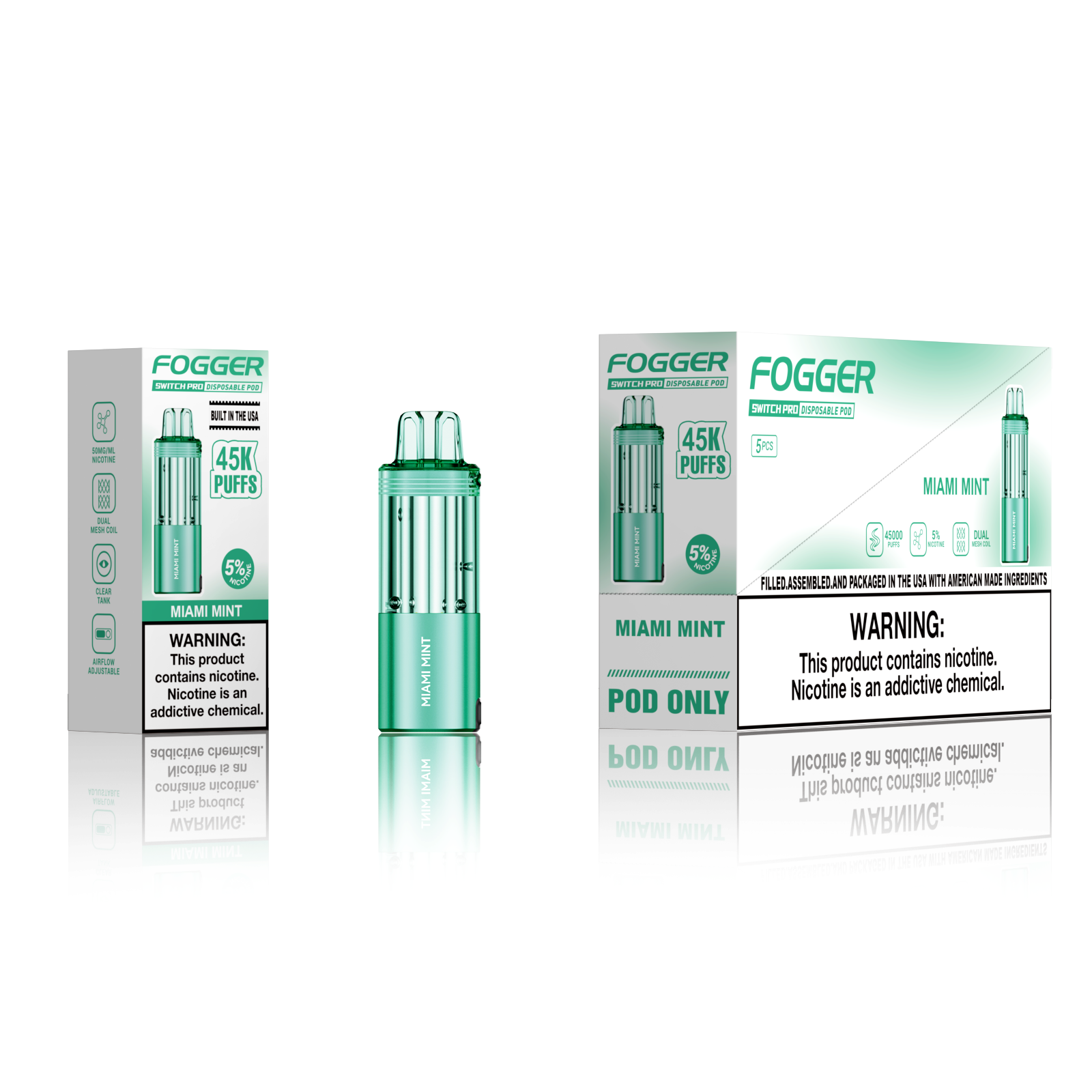
Realistic Timelines: How Many Days Will It Actually Last?
We must frame lifespan around daily usage patterns. Abstract numbers printed on packaging offer little practical value. Real timelines depend entirely on user profiles and liquid volumes.
Categorizing by User Profile and Liquid Volume
Let us examine a standard 10–15ml rechargeable vape. The longevity varies wildly based on exactly who holds the device.
Light/Casual Vapers
A light user enjoys their device primarily on weekends or during brief social outings. They take short draws and practice strict puff moderation.
Expected Lifespan: 4 to 6 weeks.
Behavior Pattern: Intermittent usage, gentle inhales, prolonged breaks.
Moderate/Average Vapers
A moderate user keeps their device handy. They take standard three-second draws throughout the workday and evening.
Expected Lifespan: 2 to 3 weeks.
Behavior Pattern: Regular daily use, consistent draw lengths, moderate frequency.
Heavy Users (Chain Vapers)
Heavy users maintain constant access to their device. They prefer deep lung hits and often take frequent sequential draws.
Expected Lifespan: 5 to 10 days.
Behavior Pattern: Uninterrupted access, massive vapor production, rapid succession inhales.
Lifespan Expectancy Chart
The table below summarizes average timelines based on real-world consumption rather than marketing claims.
User Category | Draw Length | Frequency | Lifespan (10-15ml Device) |
Light / Casual | 1 - 2 seconds | Weekends only | 4 - 6 weeks |
Moderate / Average | 3 seconds | Throughout the day | 2 - 3 weeks |
Heavy / Chain Vaper | 4+ seconds | Constant access | 5 - 10 days |
Compliance Note: Regional realities heavily impact these numbers. UK and EU TPD regulations cap disposables at 2ml of liquid. Heavy users will drain a fully compliant device in just one to two days. Always check your local market restrictions.
Hardware Variables That Drain Your Vape Duration
User behavior only tells half the story. The internal components actively dictate your total vape duration. Advanced features consume resources much faster than basic models.
Coil Architecture (Single vs. Dual-Mesh)
Coil design determines vapor volume. Single coils heat liquid slowly and steadily. Dual-mesh coils utilize an expanded surface area. They deliver massive vapor clouds and intense flavor. However, they consume e-liquid at nearly double the rate of standard coils. If you choose a dual-mesh system, expect a significantly shorter timeline.
Power and Output Modes
Many modern devices feature adjustable power settings. Eco or Standard modes conserve battery and operate at lower temperatures. Boost or Turbo modes crank up the wattage. Higher wattage vaporizes liquid incredibly fast. It also generates excess internal heat. This heat thins out the e-liquid, causing it to flow and burn quicker. Keep your device in Eco mode if longevity matters to you.
E-Liquid Composition (PG/VG & Flavorings)
The actual chemical makeup inside the tank plays a hidden role.
PG/VG Ratios: High Vegetable Glycerin (VG) ratios produce denser clouds. Thicker liquid requires more power to heat properly. This drains your battery cycle quickly.
Flavor Additives: Sweetener-heavy flavorings cause rapid coil degradation. Dessert and candy flavors leave a sugary residue behind. This residue gunks up the internal heating element. It can ruin the device before the e-liquid actually runs out.
Battery Degradation vs. E-Liquid Depletion
Every device faces an ongoing race between its internal power cell and its liquid reservoir. Understanding this dynamic helps you identify exactly why a device stops working.
The "Oil and Electricity Race"
Engineers design these products with a specific goal. They want the internal lithium-ion battery to survive just long enough to vaporize every drop of e-liquid. When one runs out before the other, the user experience suffers.
Identifying a Dead Disposable Vape Battery
Sometimes the disposable vape battery fails before the tank empties. Lithium cells degrade over time. You can recognize a dead battery through several clear symptoms.
The device blinks rapidly when drawn but produces no vapor.
The charging port refuses to hold a charge when plugged in.
The indicator light stays green, yet the device fails to fire. This signals complete battery cycle death.
Identifying an Empty Tank
An empty tank feels completely different from a dead battery. The power still flows, but the fuel is gone. Vapor production drops drastically. The flavor becomes muted or metallic. Finally, you experience a distinct burnt taste. This dry hit means the battery works perfectly, but the liquid has vanished. Stop inhaling immediately when you taste burning cotton.
Best Practices to Maximize Device Lifespan
You have the power to extend your device's timeline through careful maintenance. Simple habit changes protect both the internal circuitry and the e-liquid quality.
Charging Protocol
Many users accidentally fry their devices. Never use high-wattage fast chargers. Modern smartphone bricks and laptop chargers deliver too much current. They overwhelm the tiny internal board. Always use standard 1A/5V charging cables. Plug them into a computer USB port or a low-output wall adapter. This prevents overheating and protects the cell chemistry.
Common Mistake: Leaving the device plugged in overnight. Overcharging degrades the cell capacity, meaning it will die faster during daily use.
Draw Control
Adopt shorter, gentler draws. Take it slow. When you pull too hard, you risk flooding the coil. Give the device a few seconds of rest between puffs. This pause allows the internal cotton wicking material time to re-saturate. A saturated wick prevents dry hits and ensures consistent flavor delivery.
Environmental Storage
How you store the hardware directly impacts your experience. Treat a long life vape with care.
Keep it Upright: Store the device vertically. This prevents gravity from pulling liquid out of the mouthpiece and maintains constant coil saturation.
Avoid Extreme Temperatures: Never leave devices in hot cars. High heat thins the liquid and causes massive leakage. Avoid extreme cold as well. Freezing temperatures cause battery self-discharge and thicken the liquid, making it impossible to vaporize properly.
Evaluating Your Next Device: A Buyer’s Framework
Smart purchasing requires looking past the flashy marketing graphics. You need to assess the raw specifications on the box. Evaluating technical details ensures you find a device matching your actual habits.
Prioritize Milliliters Over Puffs
Stop looking at the giant numbers printed on the front panel. Instruct yourself to look for the exact e-liquid volume. This metric appears as milliliters (ml). A 15ml device will always outlast a 10ml device, regardless of what the puff rating claims. The liquid volume represents the actual fuel tank capacity.
Check the Battery Capacity (mAh)
Every Rechargeable Disposable Vape lists its battery capacity in milliamp-hours (mAh). Heavy users should seek devices rated between 600mAh and 850mAh. A larger battery requires fewer charging sessions throughout the day. Constant recharging degrades the internal cell. Larger capacities provide peace of mind during long shifts or travel.
Assess Feature vs. Value Trade-offs
Modern devices look like small smartphones. They include LED screens, animated graphics, and multiple output modes. You must weigh whether you genuinely need these features. An LED screen constantly drains battery life. A Boost mode vaporizes liquid at double the normal speed. These features actively reduce your overall timeline. If longevity remains your primary goal, choose a basic, screen-free model with a massive liquid tank.
Best Practice: Read the small print on the back of the packaging. Transparent brands clearly list their liquid volume, coil type, and battery capacity. Avoid brands hiding this essential information.
Conclusion
A rechargeable setup offers highly convenient solutions for adult users. However, its true lifespan is dictated entirely by user behavior and physical liquid volume. Marketing numbers only serve as a vague baseline.
Set realistic lifespan expectations by measuring in days and weeks rather than thousands of abstract puffs. Evaluate your own daily habits honestly before purchasing. Finally, select your hardware based on transparent specifications like milliliter capacity and coil architecture. Make informed choices to secure the best possible value.
FAQ
Q: Can I refill a rechargeable disposable vape once it's empty?
A: No. Attempting to pry open closed systems damages the internal wiring and heavily compromises battery safety. These devices are not designed for disassembly. If you want to refill your own e-liquid, we recommend switching to a traditional open pod system instead.
Q: How long does a disposable vape last if left unused in the box?
A: Most devices carry a standard one-to-two-year shelf life. However, e-liquid oxidizes over time, losing flavor and potency. Furthermore, internal lithium batteries slowly lose their charge and degrade naturally over months, even sitting completely unused.
Q: Why does my rechargeable vape taste burnt even after charging?
A: Charging only replenishes the electrical battery, not the e-liquid. A burnt taste means the internal cotton wick is completely dry. The power is heating dry cotton instead of liquid. The device is permanently finished and must be safely discarded.


