The vaping industry is experiencing a rapid market shift. We see a massive transition from basic, single-use devices. Consumers now prefer feature-rich, rechargeable units. This evolution brings us out of the dark ages. We are moving past the era of blind vaping. Users previously had to guess their remaining e-liquid. They also had to guess their battery life constantly. Now, consumers expect data-driven user experiences from their hardware. A Display Screen Vape is no longer a mere novelty. It solves tangible user pain points effectively and consistently. It greatly improves daily reliability and overall device lifespan. It does introduce new considerations for initial purchase costs. It also increases internal hardware complexity for manufacturers. However, the practical benefits simply cannot be ignored today. You will learn exactly why these devices dominate retail shelves. We will explore the core problems they solve effectively. We will break down the available technology tiers clearly. Finally, we will show you how to evaluate them.
Key Takeaways
Predictability Over Guesswork: Display screens eliminate the risk of dry hits and unexpected dead batteries.
Tech Evolution: The market is splitting between basic LED indicators and advanced digital displays featuring MCUs (Microcontroller Units).
Evaluation Mandate: Buyers must weigh the benefits of screen accuracy against potential battery drain and increased e-waste concerns.
Future Standard: Driven by consumer demand for transparency, screens are rapidly becoming baseline expectations in current disposable vape trends.
The Core Problem: Why the Market is Moving Toward the Display Screen Vape
We must first address the historical user friction. Standard disposables carry a major functional flaw. They offer completely unpredictable battery depletion. You take a deep puff during a night out. You suddenly taste harsh, burnt cotton. The tank is completely empty. You had absolutely no visual warning beforehand. This flaw defines the old generation of disposables. It creates a highly stressful user experience. You must constantly carry backup devices. You never know when your primary unit will fail. Consumers are tired of this unpredictable cycle.
Modern screens solve this major issue directly. They naturally complement the shift toward higher device capacities. They maximize the lifespan of a modern rechargeable vape. Older devices lacked display screens entirely. Users often threw them away prematurely. They simply feared a sudden dead battery. They did not want to risk a nasty burnt hit. Visual data changes this user behavior completely. Clear feedback gives you a strong reason to recharge. You plug the device in confidently. You keep using it until the juice is genuinely gone.
Value perception also matters immensely in retail. Consumers equate digital feedback with superior build quality. A clear battery percentage feels inherently premium. It gives you strong confidence in your purchase. It assures you of a better return on investment per device. You know exactly what you are paying for. You feel entirely in control of the hardware. This psychological shift is incredibly powerful for leading brands. It builds lasting consumer trust very quickly.
Common issues solved by screen integration:
Sudden battery failure during travel or work.
Premature disposal of devices containing perfectly good e-liquid.
Unintentional dry hits from depleted cotton wicks.
General anxiety regarding daily device reliability.
Solution Categories: From Basic Vape Screens to the "Smart Vape"
The market offers several distinct tiers of screen technology. Let us break them down clearly. You need to understand what you are actually buying.
Tier 1 represents the entry-level solution. These devices use segmented LED indicators. They rely on simple, color-coded lights to communicate status. Green usually means a full battery charge. Yellow indicates a medium power level. Red warns you of critically low power. They have extremely low power consumption. They also keep manufacturing costs minimal. They provide basic guidance without requiring fancy electronics.
Tier 2 represents the current industry sweet spot. You get actual LCD or OLED screens here. They show exact numerical percentages on the interface. You clearly see battery life and e-liquid levels constantly. This tier requires dedicated internal microcontrollers (MCUs) to function. The MCU processes sensor data and updates the screen continuously. You can explore a quality digital display vape to see this precision in action.
Tier 3 represents the absolute cutting edge. These devices integrate features far beyond simple tracking. They offer adjustable wattage for custom throat hits. They include puff counters and complex UI animations. Some even feature mesh-coil toggling for better flavor delivery. A true smart vape has the highest consumer appeal globally. However, it also brings the highest manufacturing complexity. They require advanced software coding and stricter hardware testing.
Feature Tier | Display Technology | Core Functionality | Manufacturing Complexity |
Tier 1 | Segmented LEDs | Basic color-coded status alerts | Low |
Tier 2 | LCD/OLED Displays | Exact numerical percentage tracking | Medium |
Tier 3 | Advanced Smart Screens | Wattage control, UI animations, dual coils | High |
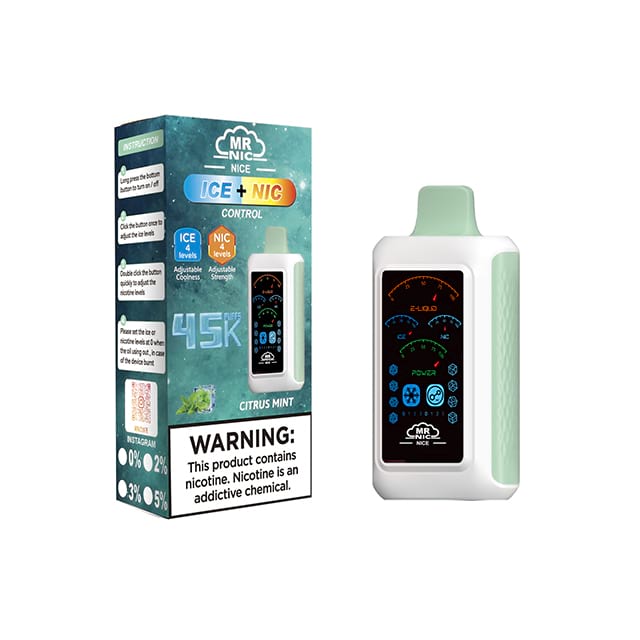
Evaluation Dimensions: How to Vet a Vape with a Screen
You must know how to judge these devices accurately. Not all digital screens are created equal. Use these critical dimensions to evaluate them properly.
Accuracy vs. Estimation (The Skeptic’s Lens): Many e-liquid indicators do not use physical liquid sensors. Physical volume sensors are simply too expensive for disposables. Instead, they use complex puff-count algorithms. They calculate remaining volume based on your average draw length. You must assess how reliable these internal algorithms actually are. If you take unusually long puffs constantly, the screen might become inaccurate. You might run out of liquid before the meter hits zero.
Battery Drain Trade-offs: High-brightness OLED screens look fantastic in promotional photos. But do they impact your core battery performance? You must evaluate if the screen compromises your actual vaping duration. Often, the resulting battery drain is relatively minor. However, massive colorful animations can pull power away from the heating coil. This is a crucial trade-off to consider.
Durability and Build Quality: You must analyze the inherent fragility risk. A glass or hard plastic panel is a potential point of failure. If you drop the device on concrete, the screen might crack. Check if the outer casing offers protective raised edges. A broken display renders the tracking features completely useless. It might even expose internal wiring.
Cost-to-Value Ratio: Determine if the premium price justifies the extended usability. Does a modern vape screen add enough practical value for your specific habits? For most daily users, the answer is a resounding yes. It prevents wasted liquid and eliminates sudden device failures. The extra dollar spent upfront saves money down the road.
Supply Chain Realities & Future Disposable Vape Trends
Adding these digital features changes how manufacturers operate globally. The supply chain must adapt to entirely new requirements.
First, we look at Hardware Integration Costs. Adding screen panels increases base manufacturing expenses significantly. Logic boards require stricter quality control at the factory level. Factories must adapt their assembly lines to handle delicate electronic parts. They need highly skilled workers to install tiny ribbon cables. If a ribbon cable snaps during assembly, the whole device goes to the trash. This reality lowers production yield rates initially. It forces brands to absorb higher upfront costs.
Next, consider Regulatory and E-Waste Implications. We must address the growing environmental footprint immediately. Adding electronic screens heightens the need for proper consumer recycling. Throwing lithium batteries and LCD panels into regular trash is highly dangerous. It routinely causes fires in municipal waste management facilities. This poor practice may attract harsh regulatory scrutiny very soon. Brands must establish clear recycling protocols to survive future legislation.
Finally, let us examine Trend Forecasting for 2026. Major brands are standardizing screens just to stay competitive. What was once a premium feature is now an industry baseline. If you track current disposable vape trends, you see this shift clearly. It is no longer an optional upgrade. Retailers demand screens because customers aggressively demand them. Hardware costs will eventually drop as global production scales up. This standardization will only accelerate over the next two years.
Key impacts on the manufacturing process include:
Increased sourcing requirements for microcontrollers (MCUs).
Longer assembly times per unit due to delicate wiring.
Higher demands for software engineers to write reliable tracking algorithms.
Stricter post-assembly testing protocols to ensure screen functionality.
Shortlisting Logic: Selecting the Right Devices for Your Needs
How do you choose the right product in a crowded market? The approach differs wildly based on your specific position.
For Retailers and Wholesale Distributors:
Focus entirely on brands with proven MCU reliability. You want stable software above all else.
Look closely for low RMA (Return Merchandise Authorization) rates due to screen failures.
Prioritize standard numerical displays over highly complex, flashy animations.
Avoid devices where the screen pulls too much power from relatively small batteries.
Ensure the supplier provides adequate technical documentation for their liquid tracking algorithms.
For Everyday End-Users:
Choose devices where the screen serves a real, practical functional purpose.
Tracking your juice and battery matters far more than playing tiny games.
Avoid screens that only serve as aesthetic gimmicks or battery-draining flashlights.
Look for "stealth mode" capabilities in the device settings.
Turning off the display manually saves power when you simply do not need it.
Conclusion
The modern display screen vape perfectly bridges a crucial market gap. It merges the sheer convenience of disposables with the robust reliability of traditional mod setups. You truly get the best of both worlds. The days of guessing your device status are officially over.
Adding screens brings slight increases in manufacturing cost and hardware complexity. However, eliminating constant battery and e-liquid anxiety is a priceless upgrade. This makes the feature a permanent market shift. It is absolutely not just a fleeting trend. We will see these integrated displays everywhere moving forward.
We highly encourage you to test a mid-tier digital display device soon. Benchmark its accuracy against your older, standard blind units. Experience the clear data tracking for yourself firsthand. Check out the latest models to see the technology in action. Once you experience this level of clarity, you will likely never return to blind devices again.
FAQ
Q: Do vape screens drain the battery faster?
A: Yes, but the overall impact is usually very minimal. Basic numerical LCD or OLED displays consume very little power. However, devices featuring bright, complex animations can noticeably impact smaller batteries. Look for stealth mode features to turn off the screen and easily conserve power.
Q: How accurate is the e-liquid percentage on a digital display vape?
A: Most devices use a predictive algorithmic estimation. They calculate remaining juice based on your total puff count and average draw length. They do not use physical liquid volume sensors. While highly useful for daily tracking, they are estimates rather than exact scientific measurements.
Q: Are smart vapes more prone to breaking?
A: The core heating and firing mechanism remains incredibly robust. However, adding a glass or plastic screen introduces a new fragility risk. If you drop the device on a hard surface, the display might crack or fail entirely. Always handle screen-equipped devices with slight extra care.
Q: How should I dispose of a disposable vape with a screen?
A: You must treat them strictly as electronic waste. They contain lithium-ion batteries and complex electronic display boards. Never throw them into your standard household trash. Follow your local electronics recycling compliance guidelines. Use designated drop-off points designed specifically for lithium batteries and e-waste.


