Far too many people treat airflow as a mere bonus feature. We must move beyond this flawed assumption today. Airflow truly acts as the critical third pillar in the vaping physics triangle. It perfectly complements both Heat and Juice. Many people experience muted flavor, harsh dry hits, or frustrating leaks. They suffer these issues because they use the wrong hardware architecture. Frequently, users misalign their airflow settings with their coil's wattage. We introduce the Adjustable Airflow Vape as a serious precision tool rather than a flashy novelty. It gives you exact control over internal chamber pressure. You gain complete command over temperature stability and flavor concentration. You will discover how minor tweaks completely transform vapor density. We will guide you through matching these settings to your exact physical needs. Mastering this mechanism ensures maximum flavor concentration. It ultimately elevates your daily sessions to new heights.
Key Takeaways
The Golden Rule of Airflow: Increased air = cooler vapor, larger clouds, and looser draw; Decreased air = warmer vapor, intensified flavor, and restricted draw.
System Synchronization: Airflow does not work in isolation; it must be precisely matched to coil resistance, wattage, and VG/PG ratios to optimize vape performance.
Hardware Physics: Bottom airflow maximizes flavor, top airflow prevents leaks, and side airflow offers a structural compromise.
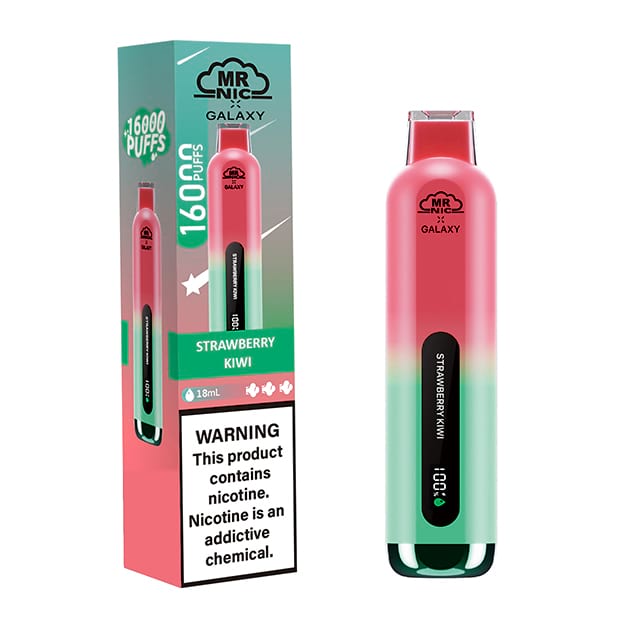
The Disposable Evolution: Modern manufacturing is transitioning from fixed-draw disposable vapes to devices featuring basic airflow sliders to support vape customization.
The Engineering Behind Airflow: The Heat-Juice-Air Triangle
You cannot fully master a vape device without understanding its underlying physics. Vapor does not magically appear when you press a button. It requires a precise thermodynamic balance. We call this the Vapor Production Matrix. It consists of three dependent variables: heat, juice, and air. You cannot change one variable without adjusting the others.
Heat Generation: The coil turns electrical power into thermal energy. High wattage creates extreme heat instantly.
Juice Saturation: The cotton wick supplies e-liquid to the heated wire through capillary action. It must stay wet continuously.
Airflow Cooling: Incoming air sweeps the vapor away from the coil. It prevents the wire from overheating and burning the cotton.
Airflow does much more than provide breathability. It actively controls the internal negative pressure inside your tank. We call this the vacuum effect. A tank acts as a sealed pressure vessel. Drawing air through the mouthpiece creates a strong vacuum. This physical force pulls e-liquid from the reservoir directly into the cotton wick.
Pressure stability dictates how well your equipment performs. Restricting the airflow physically forces more liquid into the wick. It increases total saturation for better flavor. Opening the airflow completely reduces that pull. It relies heavily on natural capillary action instead. This open setting prevents the coil from flooding during high-wattage vaporization. You must manipulate this vacuum purposefully to maintain a stable system.
Fixed Draw vs. Adjustable Airflow Vapes: Evaluating the Systems
You face a major decision when selecting new hardware. You must choose between a pre-set system and a tunable one. Both ecosystems offer distinct advantages depending on your experience level. We need to evaluate them objectively.
Fixed draw systems prioritize absolute consistency. Engineers pre-calibrate the internal air resistance at the factory. They perfectly match the air intake to the internal coil resistance and liquid viscosity. This creates a flawless, worry-free experience.
Pros of Fixed Draw: They offer unmatched simplicity. You never have to worry about improper settings. They remain the best option for absolute beginners. You will commonly find this design in a traditional nic-salt disposable vape.
Cons of Fixed Draw: You get zero adaptability. You cannot modify the draw if your inhalation style changes over time.
Adjustable systems prioritize control. They give you the flexibility to tune the machine to your exact preferences. You can toggle between Mouth-to-Lung (MTL) and Restricted Direct-Lung (RDL) modes seamlessly. This feature heavily supports advanced vape customization.
Pros of Adjustable Airflow: It future-proofs your purchase. You can experiment with different inhalation styles. You easily adapt to new e-liquid formulations.
Cons of Adjustable Airflow: It introduces the risk of user error. You might easily mismatch the air setting to your wattage. This mistake frequently leads to unpleasant dry hits.
Hardware Architecture: Bottom, Top, or Side Airflow?
Hardware layout determines your overall experience. You cannot achieve every goal with a single design. Engineers must compromise between flavor intensity and leak resistance. We classify airflow architecture into three distinct categories. You should use these physical evaluation criteria to shortlist your next purchase.
Bottom airflow systems dominate the flavor category. The intake slots sit beneath the coil. Air travels directly upward and strikes the heating element immediately. It scoops up the densest vapor without losing momentum. This produces the most intense flavor profile available. However, it carries significant risks. Gravity continuously pushes the e-liquid downward. The system becomes highly susceptible to leaking if the vacuum seal breaks or the wick degrades.
Top airflow systems prioritize cleanliness. The air intake sits above the juice reservoir. It travels down a specialized chimney, hits the coil, and comes back up. This U-shaped route makes the tank highly leak-resistant. Gravity keeps the liquid safely inside the reservoir. Unfortunately, this safety comes at a cost. The longer travel distance causes the vapor to lose some concentration. The flavor can feel slightly muted compared to bottom intake designs.
Side airflow systems offer a pragmatic middle ground. The air strikes the coil horizontally from the sides of the chamber. It provides a strong, satisfying flavor profile. It also offers moderate leak resistance. Most modern pod systems utilize this balanced architecture effectively.
| | | Airflow Architecture Comparison Chart |
Architecture Type | Mechanical Routing | Primary Outcomes | Associated Risks |
Bottom Airflow | Travels directly up under the coil | Produces the most intense flavor profile | High susceptibility to leaking and flooding |
Top Airflow | Enters above reservoir, routes downward | Highly leak-resistant due to gravity | Flavor can be slightly muted or diluted |
Side Airflow | Strikes the coil horizontally | Pragmatic balance of flavor and safety | Moderate risk of minor condensation buildup |
Matching Airflow to E-Liquid and Coil Resistance
You cannot select settings randomly and expect good results. You must map specific features to physical outcomes. We provide a concrete, evidence-based operation matrix here. Following these rules ensures optimal vape airflow and longevity.
First, you must respect the e-liquid viscosity rule. Vegetable Glycerin (VG) and Propylene Glycol (PG) behave differently under heat. High VG liquids are extremely thick. They require wide-open settings. High VG generates massive amounts of vapor. The coil requires rapid cooling to prevent overheating and cotton charring. Conversely, High PG or nicotine salt liquids are very thin. They require restricted settings. You must concentrate the sparse vapor to deliver the appropriate throat hit. Wide-open settings will make thin liquids feel harsh and hollow.
Second, you must follow the coil resistance matrix. Sub-ohm coils operate at low resistance and high wattage. They generate intense heat in milliseconds. You must pair them with abundant air intake. The rapid heat generation will instantly cause a dry hit if you restrict the cooling air. High resistance coils operate at low wattage. You must pair them with tight settings. Too much incoming air will over-cool the delicate wire. This results in thin, flavorless vapor production.
| | | System Synchronization Matrix |
Coil Type & Resistance | Wattage Range | Ideal Liquid Ratio | Required Airflow Setting |
Sub-Ohm (< 0.6Ω) | High (30W - 100W+) | High VG (70%+) | Wide Open (DTL) |
Mid-Range (0.6Ω - 1.0Ω) | Medium (15W - 30W) | Balanced (50/50) | Partially Closed (RDL) |
High Resistance (> 1.0Ω) | Low (8W - 15W) | High PG / Nic Salts | Tightly Restricted (MTL) |
Troubleshooting: The Hidden Realities of Airflow Mismanagement
Users often blame their hardware when things go wrong. In reality, mismanagement causes most daily frustrations. We need to address these common user pain points objectively.
Many users wonder why too much air causes dry hits. It seems completely counter-intuitive. You might assume more cooling prevents burning. However, excessive air can cool a coil too quickly. The wire fails to reach the proper vaporization temperature. Instead of turning the liquid into dense vapor, it merely boils the surface. This dries out the top layer of the cotton wick. The core cannot re-wick fast enough. You inhale a harsh, dry hit as a result.
You might also encounter annoying gurgling sounds or flooding. If a device gurgles, you are likely drawing too hard on an open setting with low wattage. The suction pulls raw liquid into the chimney faster than the coil can vaporize it. Closing the intake slightly fixes this immediately. It resets the internal vacuum. It perfectly balances the capillary action of the wick with the heat output.
Finally, you must understand the physical toll of cloud chasing. Running wide-open settings at high wattages linearly increases your e-liquid consumption. It also drains your battery life at an accelerated rate. You generate larger vapor clouds, but you burn through your resources rapidly to maintain that impressive vape performance.
Conclusion
You now possess the knowledge to master your equipment fully. You should prioritize your primary goal before buying new hardware. Flavor-chasers should look for bottom-airflow MTL devices equipped with precise adjustment rings. Cloud-chasers need wide-bore DTL systems to accommodate massive heat generation.
Always audit your current e-liquid viscosity before adjusting your settings.
Check your coil resistance to ensure system compatibility.
Start with your intake half-open and make small adjustments.
Close the intake slightly if you experience leaking or gurgling.
Open the intake further if the vapor feels uncomfortably hot.
Take time to experiment with your current setup today. A minor twist of a dial can completely redefine your daily experience.
FAQ
Q: Does adjustable airflow affect coil lifespan?
A: Yes, it affects lifespan indirectly. Insufficient airflow at high wattages will quickly fry the cotton wick. Excessive airflow at low wattages causes caramelized e-liquid buildup due to incomplete vaporization. Proper alignment keeps the coil clean and functional for a much longer period.
Q: Does more airflow increase nicotine intake?
A: The chemical concentration remains exactly the same. However, wide-open airflow facilitates much deeper, higher-volume inhalations. You pull more total vapor into your lungs. This results in a higher total nicotine delivery per puff.
Q: Can you get an adjustable airflow disposable vape?
A: Yes. To compete with advanced pod systems, premium disposables now frequently include a base slider. This simple mechanism allows users to easily toggle between a tight MTL draw and a loose RDL draw on the go.


