Introduction
Vaping devices have evolved quickly in recent years. Early models focused on convenience, but modern users expect much more. Today, reliability defines the premium category. A high-quality Disposable vape pen must deliver stable flavor, consistent vapor, and dependable performance from the first puff to the last. These improvements come from advanced engineering, including precise manufacturing, durable materials, and intelligent electronics. In this article, we explore how these technologies work together to improve device stability, efficiency, and long-term performance in modern disposable vape design.
Core Engineering Architecture That Makes a Disposable Vape Pen Reliable
High-Precision Internal Component Integration
Inside every premium Disposable vape pen, multiple systems operate in a tightly integrated structure. The battery, airflow channel, heating coil, and e-liquid reservoir must align with extreme precision. Engineers design compact layouts so each component functions efficiently without interference. High manufacturing tolerances ensure consistent vapor production during every draw. Even small misalignments can affect airflow pressure or liquid flow. For this reason, premium devices rely on advanced assembly techniques that maintain precise spacing between parts. The result is stable vapor output and smooth operation throughout the device’s lifespan.
Smart Airflow and Pressure-Sensor Activation
Modern devices often use pressure-sensor activation rather than mechanical buttons. When the user inhales, a sensitive air switch detects the airflow change. The circuit instantly activates the heating element. This system removes the need for physical switches that may wear over time. For manufacturers, this design improves reliability and simplifies the user experience. It also allows for faster vapor delivery, which many users prefer. In a premium Disposable vape pen, this smart airflow system ensures each puff activates smoothly and consistently, even after extended use.
Optimized Power Delivery Systems
Consistent heating is essential for stable vapor production. Premium devices achieve this through optimized power delivery systems. The internal circuit regulates voltage so the coil receives balanced energy during each activation cycle. Without controlled power output, the heating element may fluctuate in temperature. That would affect vapor density and flavor quality. A high-quality Disposable vape pen maintains stable voltage throughout the device lifecycle. This ensures uniform heating and consistent user experience across thousands of puffs.
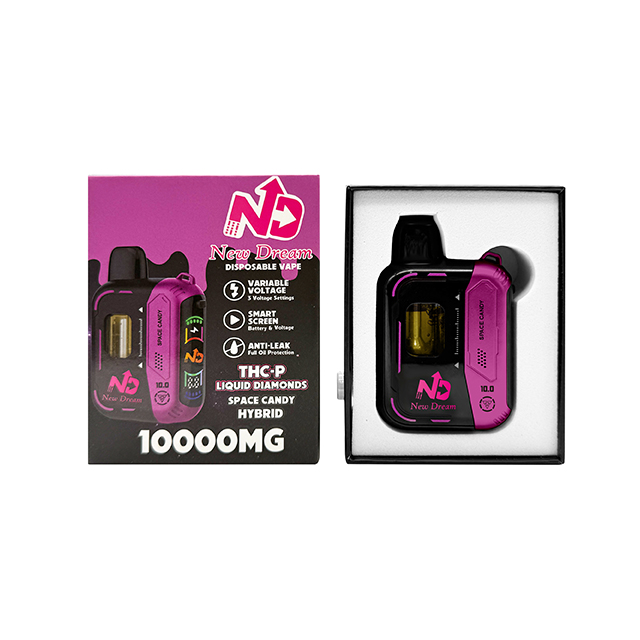
Advanced Material Science Enhancing Disposable Vape Pen Durability
Heat-Resistant Structural Materials
Materials play a major role in device reliability. Premium manufacturers use advanced polymers and ceramics that resist high temperatures. Components such as PCTG polymers or zirconia ceramic help maintain structural integrity during repeated heating cycles. These materials also resist chemical reactions with e-liquid ingredients. That protects both device stability and flavor purity. A well-engineered Disposable vape pen uses carefully selected materials to ensure long-term durability and safe vaporization performance.
High-Performance Coil Metals for Long-Term Stability
The choice of coil metal directly affects heating efficiency, electrical stability, and durability in a Disposable vape pen. Manufacturers select alloys with predictable resistance behavior, high temperature tolerance, and strong oxidation resistance to ensure consistent vaporization performance.
| Coil Material | Typical Composition | Electrical Resistivity (20 °C) | Maximum Continuous Operating Temperature | Common Application in Disposable Vape Pen | Engineering Advantages | Practical Considerations |
| Kanthal A1 (FeCrAl alloy) | ~72% Fe, 22% Cr, 5.8% Al | ~1.45 μΩ·m | Up to ~1400 °C | Widely used in mesh coils and traditional heating wires | High oxidation resistance; stable resistance during heating cycles | Requires controlled power levels to avoid excessive ramp-up temperature |
| Stainless Steel 316L | Fe-based alloy with ~16–18% Cr, 10–14% Ni, 2–3% Mo | ~0.74 μΩ·m | Up to ~870 °C | Used in temperature-responsive coils and mesh heating elements | Good corrosion resistance; rapid heat transfer | Lower resistivity means careful circuit calibration is required |
| Nickel-Chromium (Ni80) | ~80% Ni, 20% Cr | ~1.09 μΩ·m | Up to ~1200 °C | Used in some mesh coil structures for quick ramp-up heating | Fast heating response and stable resistive behavior | Nickel content requires proper insulation and structural design |
| Mesh Coil Structures | Thin perforated metal sheet from above alloys | Resistance varies by mesh geometry | Same as base alloy | Increasingly used in premium disposable devices | Large surface area improves vaporization efficiency | Mesh thickness typically 0.1–0.2 mm to balance durability and heat distribution |
| Coil Resistance Range | Determined by alloy and geometry | Typically 1.0–1.6 Ω in disposable devices | Dependent on power supply | Matched to battery voltage (3.2–4.2 V) | Balances vapor production with battery efficiency | Incorrect resistance may cause uneven heating or reduced efficiency |
| Thermal Expansion Stability | Alloy-specific property | Kanthal expansion coefficient ~14 ×10⁻⁶/K | Stable at repeated heating cycles | Prevents coil deformation during long-term use | Maintains stable coil geometry and airflow spacing | Important for devices designed for high puff counts |
Tip;When evaluating a Disposable vape pen for reliability, coil alloy selection and resistance stability are critical indicators of engineering quality. Devices using Kanthal or stainless steel mesh structures typically maintain more consistent vaporization across extended heating cycles.
Chemical-Resistant Tank and Cartridge Materials
The e-liquid tank must preserve liquid purity throughout the device lifespan. For this reason, premium devices often use borosilicate glass or high-grade polymer reservoirs. These materials resist chemical reactions and prevent contamination. Strong tank materials also improve leak resistance and structural durability. A reliable Disposable vape pen protects its internal reservoir from pressure changes and temperature fluctuations. This helps maintain stable vapor quality and ensures a clean flavor profile during long-term use.
Mesh Coil Technology Improving Disposable Vape Pen Performance
Larger Surface Area for Even Heating
Mesh coil technology represents one of the most important innovations in modern vape engineering. Unlike traditional wire coils, mesh structures feature a thin metal grid. This design greatly increases the heating surface area. More surface area allows the e-liquid to vaporize more evenly. Heat spreads uniformly across the wick instead of concentrating in a few hot spots. As a result, a Disposable vape pen equipped with mesh coils delivers smoother vapor and more consistent flavor during each puff.
Faster Ramp-Up and Efficient Atomization
Another advantage of mesh coils is rapid heating response. The thin metal grid warms quickly when power is applied. This short ramp-up time allows vapor production to begin almost instantly after inhalation. Efficient atomization also improves vapor density and flavor delivery. Because the heat spreads evenly, the liquid converts to vapor more effectively. In a premium Disposable vape pen, this design creates a balanced vaping experience with stable vapor clouds and smooth inhalation.
Long-Term Flavor Consistency
Flavor stability also depends on the interaction between coil temperature control and e-liquid composition. In a premium Disposable vape pen, mesh coils typically operate within a controlled temperature range that promotes efficient vaporization of propylene glycol and vegetable glycerin mixtures. Uniform heating reduces localized overheating that could degrade flavor compounds. Many designs also optimize airflow pathways to ensure consistent vapor transport. By combining stable coil resistance, balanced airflow, and controlled heating cycles, the device maintains reliable flavor intensity throughout repeated puff sequences.
Battery Engineering Supporting Long-Lasting Disposable Vape Pen Operation
High-Density Lithium Battery Integration
Modern Disposable vape pen devices typically use compact lithium-ion pouch cells designed for high energy density and stable discharge characteristics. Common battery capacities range from 400 mAh to 850 mAh depending on device size and puff rating. Engineers match battery output with coil resistance—often between 1.0 Ω and 1.6 Ω—to balance vapor production and energy consumption. Stable discharge curves help maintain consistent voltage during repeated activations. This optimized pairing of battery capacity and coil design ensures reliable vapor generation while preserving compact device dimensions suitable for portable use.
Intelligent Battery Protection Systems
Advanced protection circuits are integrated into the battery module to maintain safe and stable operation. These circuits typically include over-current protection, over-charge protection, and thermal monitoring functions. Voltage regulators maintain stable output even as battery capacity gradually declines during use. Some systems also include short-circuit protection that immediately interrupts current flow if abnormal electrical conditions occur. In a well-engineered Disposable vape pen, this protection architecture ensures that the heating coil receives controlled energy while preventing excessive stress on the battery and internal electronics.
Rechargeable Architectures in High-Capacity Devices
High-capacity disposable devices often incorporate rechargeable lithium batteries combined with USB-C charging interfaces. Charging circuits regulate input current to protect battery longevity and prevent overheating during rapid charging. Many devices use low-current charging profiles that maintain thermal stability within the compact housing. Rechargeable architecture allows the battery to support the full e-liquid volume, especially in devices designed for high puff counts. In a premium Disposable vape pen, optimized charging circuitry ensures stable energy delivery while maintaining safe electrical operation throughout the device’s extended usage cycle.
Leak-Proof Structural Engineering for Consistent Performance
CNC Precision Manufacturing
CNC machining allows manufacturers to produce metal and polymer components with extremely tight dimensional accuracy. In premium Disposable vape pen production, machining tolerances often reach ±0.02 mm, ensuring that airflow channels, cartridge housings, and battery compartments align precisely. Such accuracy stabilizes airflow resistance and prevents gaps where e-liquid could escape. CNC fabrication also improves repeatability during mass production, meaning every device maintains the same internal geometry. This consistency supports predictable vapor flow, reliable sealing, and stable mechanical strength throughout the device lifecycle.
Laser-Welded Cartridge Sealing
Laser welding provides a highly controlled method for joining cartridge components without additional bonding materials. Focused laser beams locally melt the contact surfaces of polymer or metal parts, forming a uniform fusion joint once cooled. These welds create airtight seals that tolerate repeated thermal cycling generated by coil heating. In premium Disposable vape pen designs, laser sealing is commonly applied around the e-liquid chamber and airflow channels. This method reduces the risk of microscopic gaps, protecting the internal electronics and preserving stable vapor performance.
Multi-Layer Wicking Systems
Advanced wicking systems often combine multiple layers of absorbent material to regulate e-liquid flow. A typical structure may include a high-density inner wick that contacts the coil and a secondary reservoir wick that stabilizes liquid supply. Materials such as organic cotton fibers or porous ceramic matrices are frequently used due to their capillary efficiency. This layered design maintains steady liquid transport even during rapid puff cycles. In a premium Disposable vape pen, balanced capillary action prevents coil overheating and supports consistent vapor production across extended usage periods.
Intelligent Monitoring Systems Inside Modern Disposable Vape Pens
Smart Digital Display Interfaces
Modern premium Disposable vape pen designs increasingly adopt compact OLED or TFT display modules to present operational data. OLED panels are commonly selected because they consume very little power and remain visible under various lighting conditions. Typical screen sizes range from 0.42 to 0.96 inches, allowing clear visibility while preserving device compactness. These displays can show battery percentage, estimated puff count, and operational indicators. Integrating such displays requires efficient power management circuits so the screen operates only when needed, preventing unnecessary battery drain and maintaining stable device runtime.
Real-Time Performance Monitoring
Inside advanced devices, microcontroller units coordinate multiple functions simultaneously. These integrated circuits manage power distribution, activation timing, and temperature response within the heating system. The MCU analyzes each puff event by measuring airflow signal duration and coil activation time. This allows the system to maintain consistent voltage output even as the battery charge gradually declines. Some control boards also include temperature-sensing components that help regulate heating cycles. In a premium Disposable vape pen, this coordinated monitoring ensures smooth vapor generation and stable coil performance during continuous daily use.
User Feedback Through LED Indicators
LED indicator systems provide immediate visual communication without increasing device complexity. Small surface-mount LEDs are typically positioned near the base or airflow channel. Different colors can indicate activation, charging status, or battery levels. For example, green often signals normal operation, blue indicates active heating, and red warns of low battery. These LEDs require minimal power and are driven directly by the control circuit. In a well-engineered Disposable vape pen, LED feedback also helps confirm successful activation, giving users clear operational signals and improving overall device confidence.
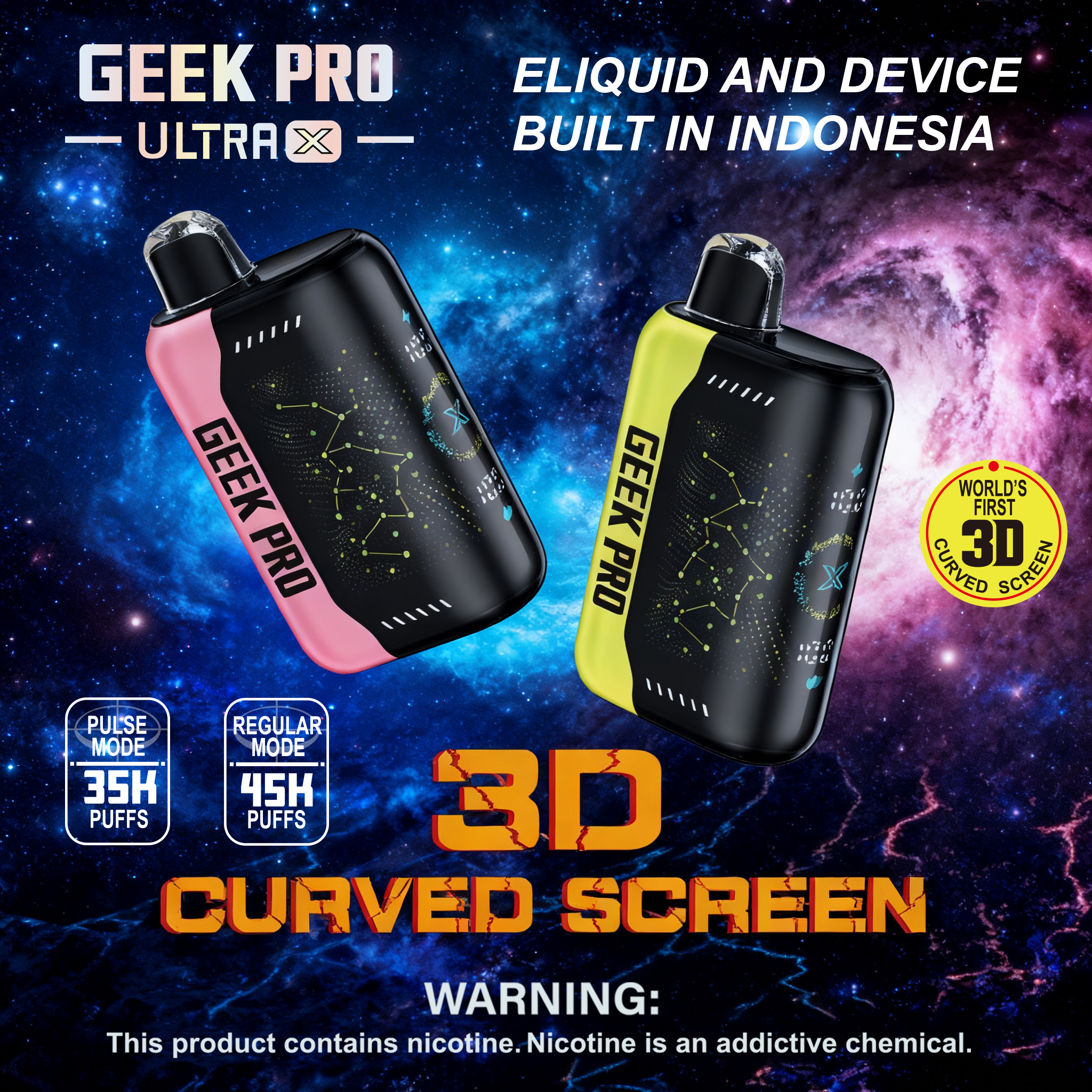
Ergonomic Industrial Design Supporting Reliable Daily Use
Compact and Balanced Device Geometry
Engineers design the body shape of a Disposable vape pen using ergonomic principles commonly applied in handheld electronics. Most devices fall within a diameter of 16–22 mm and a length of 90–120 mm, allowing the device to fit comfortably between the fingers. Rounded edges reduce pressure points during long sessions, while a center-of-mass balance near the middle of the device improves grip stability. This geometry helps maintain a natural inhalation angle of about 30–45 degrees, which supports smoother airflow and consistent vapor delivery during extended use.
Premium Surface Finishes for Grip Stability
Advanced surface treatments play a key role in improving handling and durability. Premium Disposable vape pen designs often use matte anodized aluminum or UV-cured polymer coatings with micro-textured finishes between 5–15 μm in roughness. This texture increases friction between the device and the user’s fingers, reducing slip risk while maintaining comfort. Anti-fingerprint coatings also limit oil accumulation from skin contact. In addition, abrasion-resistant coatings protect the outer shell from scratches and wear, helping maintain both visual quality and tactile consistency during everyday use.
Structural Durability for Everyday Mobility
Portable vape devices must remain stable under daily handling, pocket pressure, and travel conditions. Manufacturers therefore apply specific material standards, structural reinforcement methods, and environmental durability tests to ensure the long-term reliability of a Disposable vape pen.
| Engineering Aspect | Application in Disposable Vape Pen | Key Materials / Structure | Typical Technical Specifications | Practical Notes |
| Outer Shell Housing | Protects internal electronics, battery, and reservoir from mechanical stress | Aluminum alloy (6061 / 6063), stainless steel 304, or reinforced PCTG polymer | Aluminum yield strength: ~240 MPa; PCTG tensile strength: ~50–60 MPa; shell thickness typically 0.6–1.2 mm | Aluminum provides high rigidity with low weight; polymers improve impact resistance and transparency |
| Impact Resistance | Prevents device damage when dropped during normal daily use | Reinforced casing, internal shock spacing between components | Typical consumer electronics drop test: 1.0–1.5 m onto hardwood or concrete (IEC 60068-2-31 reference) | Internal spacing between battery and shell reduces stress transfer during impact |
| Pocket Compression Resistance | Ensures structural stability when carried in pockets or bags | Thickened outer casing and internal support ribs | Compression resistance for handheld devices typically >50–80 N without deformation | Structural ribs inside the shell distribute pressure across the frame |
| Temperature Stability | Maintains material integrity in common environmental temperatures | High-temperature polymers such as PCTG or PPSU | Operating range commonly −10 °C to 45 °C; polymer heat deflection temperature ~90–100 °C | Prevents casing warping or structural fatigue in hot climates |
| Moisture Protection | Protects electronic circuits from condensation or humidity | Ultrasonic welding or laser-welded cartridge seals | Electronics protection targets relative humidity tolerance up to 85% RH | Proper sealing prevents condensation damage around the coil chamber |
| Battery Compartment Protection | Prevents battery displacement under shock or vibration | Dedicated battery brackets and foam stabilization layers | Lithium battery operating range: typically −20 °C to 60 °C | Stabilized battery positioning reduces electrical connection stress |
| Weight Optimization | Improves portability while maintaining durability | Aluminum shells or glass-fiber reinforced plastics | Typical disposable vape device weight: 30–70 g depending on capacity | Balanced weight improves user comfort and reduces drop risk |
Tip:For product developers or B2B buyers, evaluating shell material strength, drop-test performance, and temperature tolerance can reveal whether a Disposable vape pen is engineered for long-term reliability or only short-term portability.
Conclusion
Modern Disposable vape pen technology combines precision engineering, advanced materials, and intelligent electronics to deliver stable flavor, reliable vapor production, and consistent performance. Components such as mesh coils, high-density batteries, and leak-resistant structures work together to ensure dependable operation across the device lifecycle. As reliability becomes the defining standard of premium vaping hardware, manufacturers must prioritize quality design and material selection. New Dream Tech Co., Ltd. focuses on developing high-performance disposable vape solutions with durable construction, stable vapor output, and user-focused design, providing strong value and dependable products for global partners and consumers.
FAQ
Q: What improves Disposable vape pen reliability?
A: Precision parts, mesh coils, stable batteries.
Q: How does a Disposable vape pen keep flavor stable?
A: Mesh coils heat evenly and control vaporization.
Q: Why are advanced materials used in Disposable vape pen design?
A: They resist heat and protect liquid purity.
Q: How do batteries support Disposable vape pen performance?
A: Lithium cells provide steady power output.
Q: Why is airflow engineering important in Disposable vape pen devices?
A: Balanced airflow ensures smooth vapor delivery.


