Introduction
Why are Disposable Vape Pens growing so quickly today? These once simple devices are now advanced consumer products. Modern models use mesh coils, larger e-liquid capacity, and improved battery systems to deliver smoother vapor and longer performance. Users want convenience, reliability, and stylish design. In this article, we explore the technologies, innovations, and market trends shaping the future of high-performance disposable vape pens.
What Defines a High-Performance Disposable Vape Pen Today
Advanced Coil Technology for Consistent Flavor
Modern Disposable Vape Pens rely heavily on advanced coil systems to deliver a consistent vaping experience. Technologies such as dual mesh coils and mega-core heating structures distribute heat evenly across the e-liquid. This design allows the liquid to vaporize smoothly and efficiently during every puff. Users experience richer vapor density and stable flavor profiles from the first inhale to the last. Advanced coil engineering also improves device reliability and reduces fluctuations in vapor output. The result is a premium vaping experience that closely matches the performance of more complex vape systems while keeping the simplicity that disposable vape pens are known for.
High Puff Capacity and Extended Device Longevity
Another defining feature of high-performance Disposable Vape Pens is their extended usage capacity. Many next-generation devices now offer between 20,000 and 30,000 puffs, supported by larger e-liquid reservoirs and optimized power control systems. These improvements allow users to enjoy longer usage cycles without needing frequent replacements. Enhanced battery efficiency and optimized airflow systems also contribute to consistent output during the entire lifecycle of the device. Longer-lasting disposable vape pens appeal to consumers who value convenience and reliability, especially busy professionals who prefer products that require minimal attention while delivering stable performance.
Rechargeable Designs with USB-C Charging
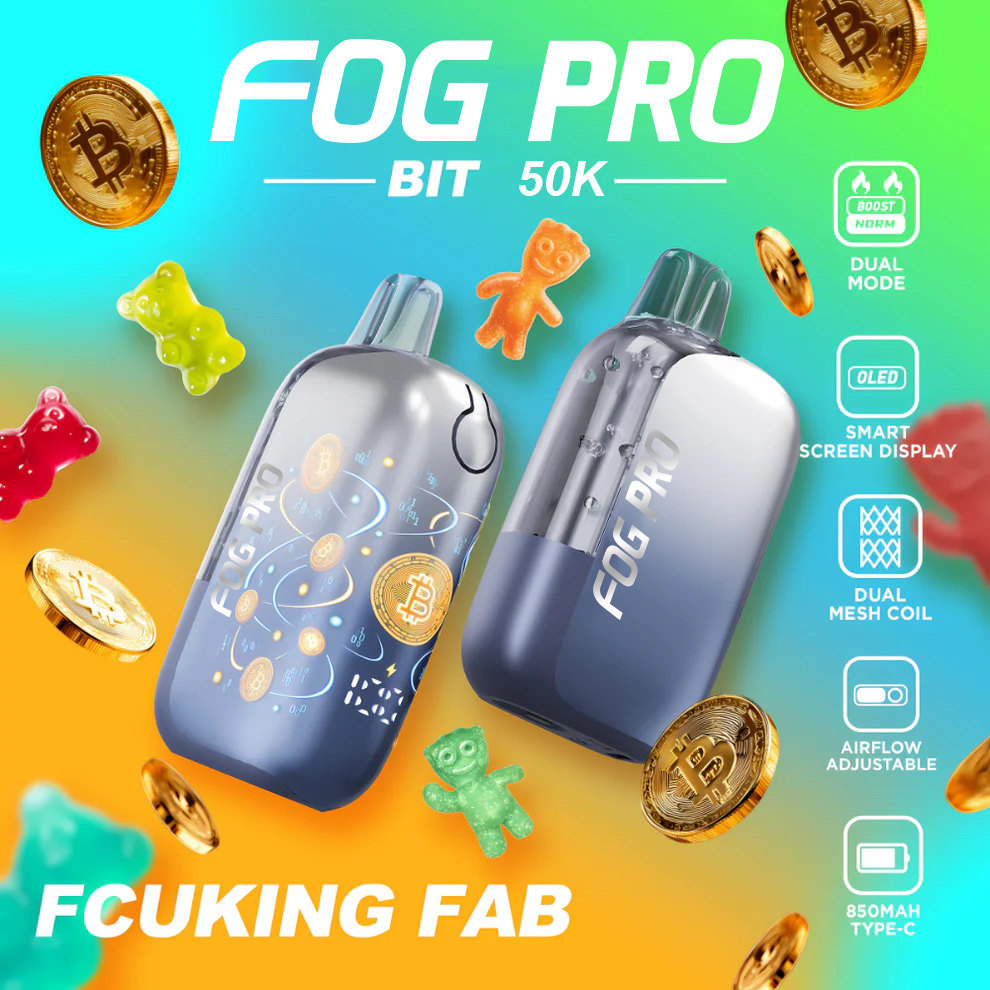
Rechargeable functionality represents a major advancement in the disposable vape pen category. Many modern devices incorporate USB-C charging ports, enabling users to recharge the battery multiple times while the e-liquid reservoir remains available. This innovation ensures the device maintains stable performance until the liquid is fully consumed. Faster charging speeds also enhance convenience for users who want quick access to their device throughout the day. By combining rechargeable batteries with high puff capacity, manufacturers have effectively extended the life cycle of disposable vape pens while maintaining their core advantage of simplicity.
Key Innovations Elevating the Disposable Vape Pen Experience
Smart Chipsets for Optimized Performance
Modern Disposable Vape Pens increasingly rely on compact control chips similar to those used in regulated vape devices. These microcontrollers coordinate power delivery, monitor battery status, and manage temperature limits to maintain stable vapor output. Understanding how these electronic control systems operate helps illustrate why smart-chip devices provide more reliable and consistent performance.
| Smart Chip Function | Practical Application | Key Hardware Components | Typical Technical Parameters | User Benefit | Engineering Considerations |
| Voltage Regulation | Stabilizes power delivered from battery to coil | DC-DC step-down converter, control IC | Input voltage: 3.0–4.2 V; Output voltage: 3.2–3.7 V | Consistent vapor density during battery discharge | Efficient regulation prevents weak vapor at low battery |
| Temperature Monitoring | Prevents overheating during long puffs | NTC thermistor or temperature sensor | Operating range: 0–80 °C; Accuracy: ±1–2 °C | Protects coil and preserves flavor stability | Sensor placement must be close to heating element |
| Puff Duration Control | Limits coil heating time per draw | Microcontroller with timing firmware | Typical cutoff: 8–10 seconds per puff | Prevents overheating and improves device safety | Firmware timing must match coil resistance |
| Battery Protection Circuit | Prevents overcharge and deep discharge | Battery management IC (BMS) | Overcharge limit: ~4.25 V; Discharge cutoff: ~2.8–3.0 V | Extends lithium battery life and reliability | Requires proper PCB layout for safe current flow |
| Short-Circuit Detection | Detects abnormal current spikes | Current-sensing resistor + control IC | Trigger current: typically >5–10 A | Protects battery and coil components | Must react within milliseconds to avoid damage |
| Airflow-Triggered Activation | Activates heating coil when user inhales | Differential pressure sensor or MEMS airflow sensor | Sensitivity: ~5–20 Pa pressure change | Enables draw-activated vaping without buttons | Sensor calibration required for accurate activation |
| Power Efficiency Optimization | Adjusts coil output for efficient vaporization | PWM control circuit | PWM frequency: typically 20–100 kHz | Maximizes battery efficiency and vapor consistency | Requires firmware tuning to match coil type |
Tip:When selecting smart-chip disposable devices, look for models with voltage regulation and thermal monitoring, as these two features most directly influence vapor consistency and long-term device reliability.
AI-Driven Personalization in Disposable Vape Pens
Artificial intelligence is gradually entering the vaping industry. Future Disposable Vape Pens may incorporate AI systems that analyze user behavior and adjust nicotine delivery or power levels accordingly. By tracking usage patterns, these systems can automatically optimize device performance to match personal preferences. For example, AI algorithms may learn when a user prefers stronger vapor output or smoother inhalation. This capability introduces a new level of personalization in disposable vape devices, transforming them from static tools into responsive, adaptive devices designed around the individual user.
Real-Time Monitoring Through Smart Displays and Apps
User interaction with Disposable Vape Pens is also evolving through digital interfaces. Many premium models now include LED screens that display battery status, puff counts, and e-liquid levels. This feature removes uncertainty and gives users clear information about device performance. Some advanced devices may also connect to mobile apps, allowing users to track usage habits and adjust device settings. Real-time monitoring enhances convenience while strengthening the overall user experience, reinforcing the shift toward smarter disposable vape technology.
Consumer-Centric Design in Modern Disposable Vape Pens
Ergonomic and Fashion-Forward Device Aesthetics
Design has become an essential element in the success of modern Disposable Vape Pens. Manufacturers now treat vaping devices as lifestyle accessories rather than simple tools. Devices feature slim profiles, smooth textures, and premium materials that feel comfortable in the hand. Many brands also introduce bold color schemes and minimalist styling that appeal to modern consumers. This design approach reflects the growing expectation that disposable vape pens should combine performance with visual appeal.
Adjustable Airflow and Performance Customization
Customization plays an important role in enhancing user satisfaction. Many advanced Disposable Vape Pens now include adjustable airflow systems that allow users to modify the resistance of each inhale. A tighter airflow provides a stronger throat hit, while a looser airflow produces larger vapor clouds. This level of control allows consumers to tailor their vaping experience to personal preferences. By offering customizable performance options, manufacturers bridge the gap between simple disposable devices and high-end mod systems.
Leak-Resistant Engineering for Reliable Use
Reliability is a crucial factor in consumer satisfaction. Modern Disposable Vape Pens incorporate advanced leak-resistant designs that maintain internal pressure balance and prevent e-liquid leakage. Improved sealing materials and internal airflow structures ensure stable operation even under varying environmental conditions. Leak-resistant engineering increases product durability and preserves flavor consistency throughout the device lifecycle. These improvements strengthen consumer confidence and contribute to the reputation of premium disposable vape brands.
How Disposable Vape Pens Are Meeting Modern Consumer Expectations
Instant Usability Without Technical Complexity
Modern Disposable Vape Pens are engineered for immediate activation through draw-activated airflow sensors that trigger the heating element automatically when inhaling. This design eliminates manual buttons, coil installation, or e-liquid handling. Most devices use pre-filled sealed cartridges combined with factory-calibrated coil resistance, typically between 1.0–1.4 Ω, ensuring stable vaporization without user adjustments. The simplified internal architecture reduces potential performance inconsistencies and improves reliability during the entire usage cycle. As a result, disposable vape pens deliver a consistent experience while maintaining an intuitive user interface suitable for both new and experienced consumers.
Wide Flavor Diversity for Personalized Experiences
Flavor engineering in Disposable Vape Pens relies on carefully balanced formulations of food-grade flavor compounds and nicotine salt solutions. These formulations are designed to vaporize efficiently at moderate temperatures, typically between 200–250 °C at the coil surface. Fruit blends, dessert profiles, mint variations, and beverage-inspired combinations allow users to explore different sensory preferences while maintaining consistent vapor density. Manufacturers also use optimized e-liquid viscosity ratios, commonly around 50–60% vegetable glycerin (VG) and 40–50% propylene glycol (PG), to ensure smooth vapor production and stable flavor delivery across multiple puff cycles.
Affordable Entry into Premium Vaping Technology
High-performance Disposable Vape Pens provide advanced vaping technology within a compact and cost-efficient design. Modern devices integrate mesh coil structures, high-capacity e-liquid reservoirs ranging from 10–20 mL, and rechargeable lithium batteries typically between 500–800 mAh. These components allow disposable devices to deliver consistent vapor output comparable to larger vape systems while maintaining portability. Mass production techniques and standardized electronic components further reduce manufacturing costs. This manufacturing efficiency enables brands to offer high-performance disposable vape pens at accessible price points while maintaining consistent device quality and performance.
Sustainability Trends Shaping the Future of Disposable Vape Pens
Rechargeable Hybrid Disposable Systems
Rechargeable hybrid Disposable Vape Pens combine disposable convenience with rechargeable lithium-ion battery systems. These devices typically use compact lithium cells in the 400–650 mAh range paired with USB-C charging interfaces delivering around 5 V input power. Intelligent charging circuits regulate current flow to prevent overheating and extend battery cycle stability. Hybrid structures also allow manufacturers to match battery capacity with larger e-liquid reservoirs, ensuring that energy output remains balanced with liquid consumption. By optimizing battery utilization, rechargeable hybrid systems significantly extend the functional lifespan of the device while maintaining stable vapor performance.
Replaceable Pod Concepts in Disposable Vape Devices
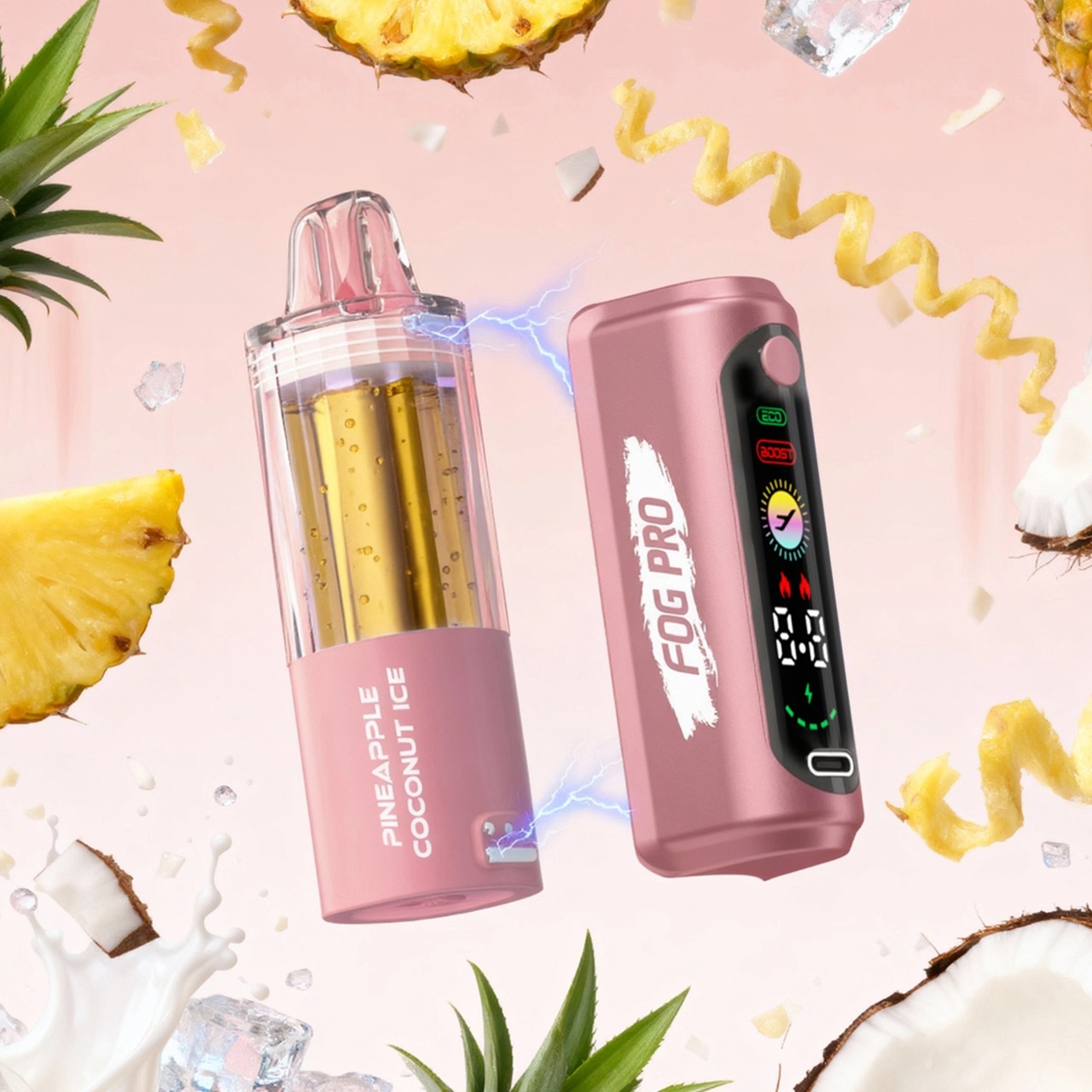
Replaceable pod structures introduce modular engineering into Disposable Vape Pens, separating the power unit from the e-liquid chamber. Pods typically contain sealed reservoirs ranging from 8–15 mL and integrated mesh coils designed for efficient heat transfer. Magnetic or snap-fit connectors ensure secure electrical contact between the pod and battery module. This modular configuration reduces material waste because only the liquid cartridge is replaced when empty. It also simplifies manufacturing and logistics by standardizing battery components while allowing brands to introduce multiple flavor pods within a single device ecosystem.
Recyclable Materials and Eco-Friendly Design
Eco-focused design strategies for Disposable Vape Pens increasingly involve the use of recyclable aluminum alloys, polypropylene (PP), and polyethylene terephthalate (PET) plastics. These materials offer strong structural durability while remaining compatible with existing recycling processes. Manufacturers also reduce environmental impact by minimizing adhesive bonding and adopting mechanical fasteners that allow easier component separation during recycling. Lightweight construction further lowers transportation emissions across supply chains. In addition, many brands now adopt recyclable paper packaging and soy-based inks, helping reduce overall material waste while maintaining protective packaging performance.
Market Growth and the Rising Demand for Disposable Vape Pens
Rapid Expansion of the Global Disposable Vape Market
The disposable vape industry has experienced accelerated growth due to improvements in device engineering and supply chain efficiency. Manufacturers now produce high-capacity Disposable Vape Pens with optimized battery-to-liquid ratios that extend product lifespan and reduce replacement frequency. Large-scale automated production has also lowered manufacturing costs while maintaining consistent quality standards. In addition, global distribution networks and online retail channels have increased product accessibility. These factors allow disposable vape devices to reach broader consumer segments while supporting the industry’s steady revenue expansion.
Shifting Consumer Preferences Toward Simplicity
Modern consumers increasingly favor products designed around intuitive operation and minimal learning curves. Disposable Vape Pens respond to this demand by integrating draw-activated firing mechanisms, sealed e-liquid chambers, and factory-calibrated airflow systems. These design choices eliminate the need for coil replacement or manual adjustments. From a usability perspective, simplified device architecture also improves reliability because fewer moving parts reduce potential performance variations. This approach aligns with broader consumer electronics trends where streamlined interfaces and plug-and-play functionality dominate product design.
Premium Disposable Vape Pen Segments Driving Industry Innovation
The premium segment of Disposable Vape Pens focuses on integrating advanced components traditionally found in refillable vape devices. High-performance mesh coil structures improve heat distribution, producing denser vapor while maintaining stable temperature control. Larger integrated batteries paired with intelligent power regulation allow high puff capacity without compromising output consistency. Premium models also introduce airflow control rings, digital displays, and enhanced material finishes. These technological upgrades enable disposable devices to deliver more refined performance, positioning them as a bridge between convenience-focused products and advanced vaping systems.
The Next Generation of Disposable Vape Pen Technology
Integration of Smart Connectivity and Usage Tracking
Future Disposable Vape Pens may integrate Bluetooth Low Energy (BLE) modules that connect directly to smartphone applications for advanced usage analytics. Through this connection, users could view puff frequency, monitor estimated nicotine intake, and track device lifespan in real time. Mobile apps may also enable firmware updates that improve power management or airflow calibration without replacing the device. Some systems may include encrypted pairing and automatic device recognition to ensure stable connectivity. By combining hardware sensors with app-based data dashboards, manufacturers can deliver smarter vaping devices that adapt performance to user behavior while maintaining consistent reliability.
Enhanced Battery Efficiency and Fast Charging
Advances in lithium battery technology are significantly improving the efficiency of Disposable Vape Pens. High-density lithium-ion cells now offer better energy storage within compact device sizes, allowing consistent output throughout the full puff cycle. Fast-charging systems based on USB-C standards support higher current delivery while maintaining safe operating temperatures. Intelligent battery management circuits can regulate voltage output, preventing power drops that affect vapor quality. These improvements ensure that the device maintains stable performance until the e-liquid reservoir is depleted, creating a more reliable and efficient vaping experience for users.
Wearable and Augmented Technology Possibilities
As consumer electronics evolve, vaping devices may gradually integrate with wearable ecosystems and AR interfaces. These concepts focus on improving usability, monitoring device performance, and enhancing user interaction through connected technologies. The following structured overview highlights potential applications, technical parameters, and operational considerations that could shape future wearable-compatible disposable vape systems.
| Technology Integration | Application Scenario | Key Technical Components | Typical Parameters / Metrics | User Benefit | Engineering Considerations |
| Bluetooth Low Energy (BLE) Connectivity | Connect Disposable Vape Pens to smartphones or wearable devices for usage tracking | BLE 5.0 module, low-power microcontroller | Transmission range: 10–30 m; Frequency band: 2.4 GHz; Power consumption: <10 mA active | Enables puff tracking, battery monitoring, and device status display | Requires optimized power management to maintain device lifespan |
| Smartwatch Usage Monitoring | Sync vaping activity data with smartwatch health dashboards | BLE communication, device sensor interface | Data refresh interval: 1–5 s; Storage capacity: ~500–2000 usage records | Provides real-time usage insights and device notifications | Firmware compatibility with common smartwatch platforms |
| AR Device Interface | Use AR glasses or phone AR apps to display device diagnostics | Camera recognition markers, AR SDK software | Visual latency: <50 ms; Marker recognition accuracy: >95% | Visualizes battery level, puff count, and device status | Requires standardized marker placement on device body |
| Wearable Charging Accessories | Portable wearable charging clips or cases for rechargeable disposable vape pens | USB-C interface, lithium-ion power bank module | Charging voltage: 5 V; Charging current: 1–2 A; Typical charge time: 30–60 min | Improves portability and extends device usability | Thermal management required during fast charging |
| Environmental Sensors Integration | Wearable sensors measure ambient temperature affecting vaping performance | Temperature sensor (±0.5 °C accuracy) | Operating temperature range: 0–45 °C | Adjusts device output based on environment conditions | Requires real-time data exchange between wearable and device |
| Haptic Feedback Alerts | Wearable band vibrates when battery is low or device reaches puff limit | Micro vibration motor, BLE module | Vibration amplitude: 0.8–1.5 g; Response delay: <200 ms | Provides discreet notifications without checking device | Requires energy-efficient notification logic |
| Location-Based Usage Analytics | Optional location tracking via connected smartphone for consumption analysis | GPS integration via paired device | GPS accuracy: ±5–10 m | Helps users understand usage habits in different environments | Requires privacy-focused data management |
Tip: When wearable integration becomes viable, manufacturers should prioritize low-power connectivity and compact sensors, ensuring that added digital features do not reduce battery life or overall device portability.
Conclusion
High-performance Disposable Vape Pens are transforming the vaping experience through advanced coil technology, smart electronics, and modern design. Features like rechargeable batteries, larger puff capacity, and intelligent performance control improve convenience and consistency for users. As demand grows, innovation will continue shaping smarter and more efficient devices. New Dream Tech Co., Ltd. supports this progress by delivering reliable disposable vape products with stable flavor output, durable construction, and user-focused design, helping brands and consumers access high-quality vaping solutions.
FAQ
Q: What are Disposable Vape Pens?
A: Disposable Vape Pens are pre-filled devices with built-in batteries and mesh coils for easy vaping.
Q: Why are Disposable Vape Pens becoming popular?
A: Disposable Vape Pens offer simple use, stable flavor, and long puff capacity without maintenance.
Q: How do modern Disposable Vape Pens improve performance?
A: They use mesh coils, smart chips, and optimized airflow for consistent vapor output.
Q: Are rechargeable Disposable Vape Pens better?
A: Rechargeable Disposable Vape Pens extend device life and support larger e-liquid capacity.
Q: What features define high-performance Disposable Vape Pens?
A: Advanced coils, large puff counts, USB-C charging, and smart monitoring systems.


